- English
- French
- German
- Portuguese
- Spanish
- Russian
- Japanese
- Korean
- Arabic
- Greek
- German
- Turkish
- Italian
- Danish
- Romanian
- Indonesian
- Czech
- Afrikaans
- Swedish
- Polish
- Basque
- Catalan
- Esperanto
- Hindi
- Lao
- Albanian
- Amharic
- Armenian
- Azerbaijani
- Belarusian
- Bengali
- Bosnian
- Bulgarian
- Cebuano
- Chichewa
- Corsican
- Croatian
- Dutch
- Estonian
- Filipino
- Finnish
- Frisian
- Galician
- Georgian
- Gujarati
- Haitian
- Hausa
- Hawaiian
- Hebrew
- Hmong
- Hungarian
- Icelandic
- Igbo
- Javanese
- Kannada
- Kazakh
- Khmer
- Kurdish
- Kyrgyz
- Latin
- Latvian
- Lithuanian
- Luxembou..
- Macedonian
- Malagasy
- Malay
- Malayalam
- Maltese
- Maori
- Marathi
- Mongolian
- Burmese
- Nepali
- Norwegian
- Pashto
- Persian
- Punjabi
- Serbian
- Sesotho
- Sinhala
- Slovak
- Slovenian
- Somali
- Samoan
- Scots Gaelic
- Shona
- Sindhi
- Sundanese
- Swahili
- Tajik
- Tamil
- Telugu
- Thai
- Ukrainian
- Urdu
- Uzbek
- Vietnamese
- Welsh
- Xhosa
- Yiddish
- Yoruba
- Zulu
Where to Buy Ozone Generator in Bulk for Industry Use
There are many places that need industrial-grade cleaning and sterilization systems, and Ozone Generators are one of them. These places include spatial disinfection of food processing areas, changing rooms, slaughterhouses, cutting areas, thawing areas, pre-processing areas, packaging areas, cooling areas, and temporary storage areas. These strong machines properly clean the air, treat water, sterilize surfaces, and get rid of smells without leaving behind harmful chemicals. This guide helps people who need to buy a lot of Ozone Generator equipment, like buying managers, EHS directors, plant engineers, biosecurity officers, and dealers. When you choose trusted suppliers, you get quality, safety certifications, and low costs, all of which are closely linked to business success and legal compliance. We want to give people who make decisions the tools they need to make the best purchasing decisions while reducing the risks that come with using low-quality equipment and supply lines that can't be counted on.
Understanding Industrial Ozone Generators and Their Applications
The technology, capability, and range of uses for industrial Ozone Generators are very different from those for home air purifiers. These machines make Ozone (O₃) through corona discharge or UV light. They can make concentrations that can kill germs, viruses, mold spores, and smells that won't go away in big areas. Industrial models are different from consumer-grade devices because they can handle ongoing operation, higher output numbers, and integrating with existing facility infrastructure.
Core Applications Across Key Industries
Ozone Generator technology is used in food preparation plants for Clean-in-Place (CIP) systems, to cleanse cold storage, and to keep the production line clean. These systems help plants that process meat, fish, milk, and drinks meet strict HACCP and ISO standards while using fewer chemical cleaners. Ozone Generator equipment is used in slaughterhouses and cattle operations to control biosecurity, handle air quality in holding areas, and clean the chilling rooms where the carcasses are kept.
Operational Principles and Environmental Benefits
Ozone Generators sterilize by oxidizing bacteria' cell walls, which stops them from reproducing without leaving behind any harmful chemicals. Ozone naturally turns back into oxygen in 30 to 60 minutes, which makes it a better choice for the environment than chlorine-based disinfectants. This process efficiency cuts down on water use, gets rid of worries about how to properly dispose of chemicals, and supports green efforts that are being asked for more and more by foreign trade partners and regulatory bodies.
Factors to Consider When Buying Ozone Generators in Bulk for Industry
When buying industrial Ozone Generators in large numbers, you need to do more than just compare unit prices. Strategic sellers look at a number of factors that affect the total cost of ownership, the dependability of operations, and compliance.
Capacity and Application Matching
The output capacity, which is given in grams per hour (g/h), needs to match the size of the building, the rate of air exchange, and the uses that are planned. A 5 g/h Ozone Generator works well in processing rooms that are between 500 and 1000 cubic meters in size, while setups with more than one unit are better for bigger warehouses or systems that work across the whole facility. Think about whether your business needs low-level ozone all the time to keep the air clean or high-concentration treatments on a regular basis for deep cleaning processes.
Certification and Quality Assurance
CE certification shows that the product meets European safety standards, and ISO 9001 certification shows that the manufacturer has quality control methods in place. In the food business, make sure that the Ozone Generator equipment you're using is made of food-grade materials and follows the REACH rules for chemicals.
After-Sales Support and Technical Services
When you buy Ozone Generators in bulk, you need a lot of help, like instructions on how to place the goods, training for operators, maintenance plans, and access to spare parts. Check to see if the providers offer expert support over the phone, on-site commissioning, and warranty terms that cover both parts and work. Long-term relations depend on suppliers who can upgrade systems, help with performance optimization, and respond quickly to practical problems.
Comparison of Ozone Generator Types and Technologies for Industrial Clients
To choose the right Ozone Generator technology, you need to know how to tell the difference between types of tools and how well they work in different workplace situations.
Portable vs. Stationary Systems
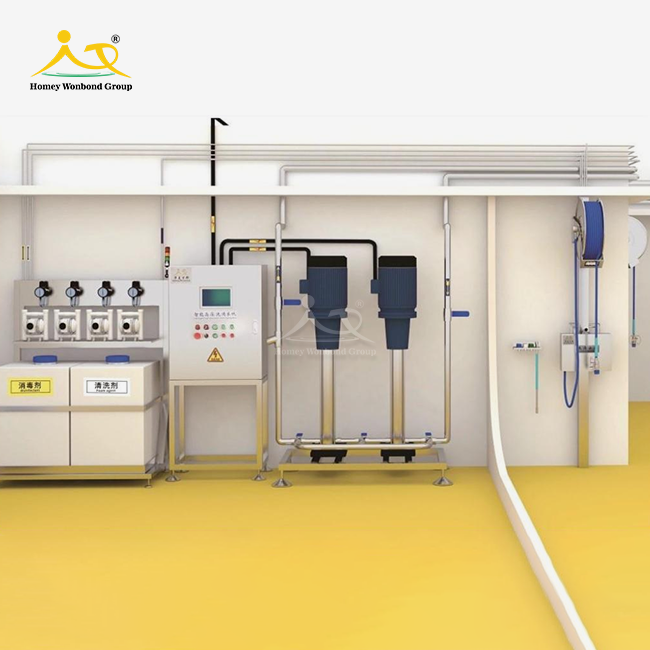
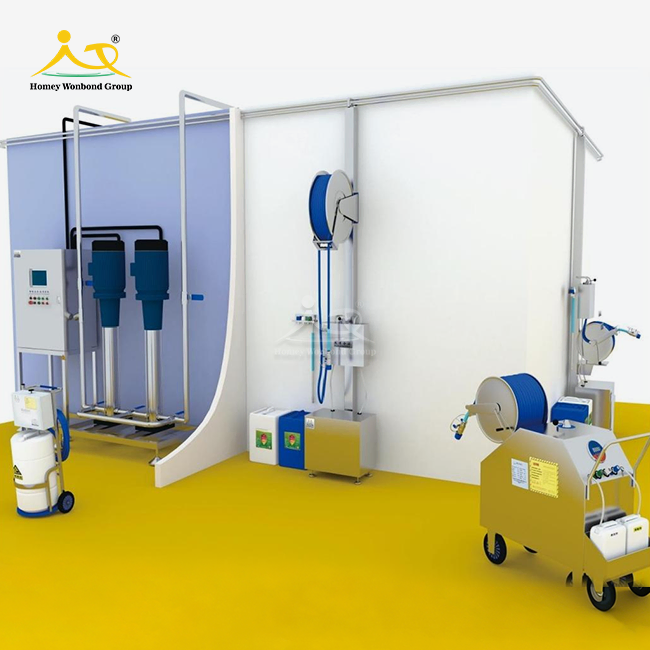
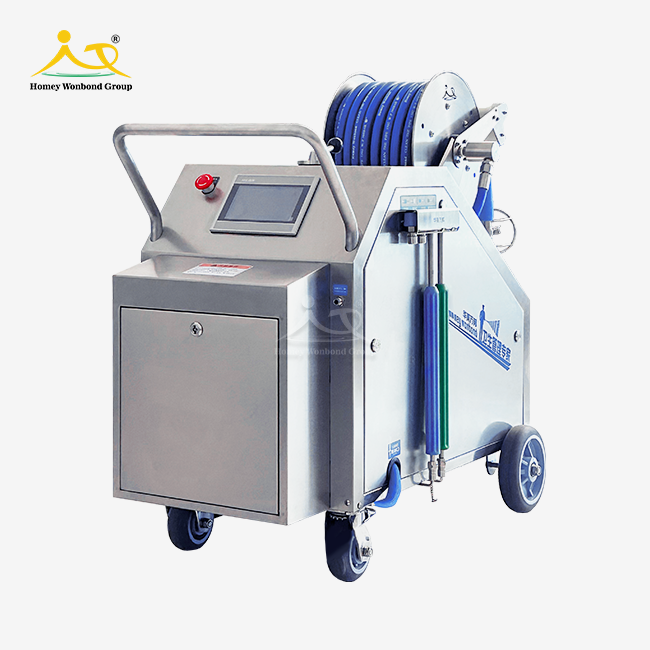
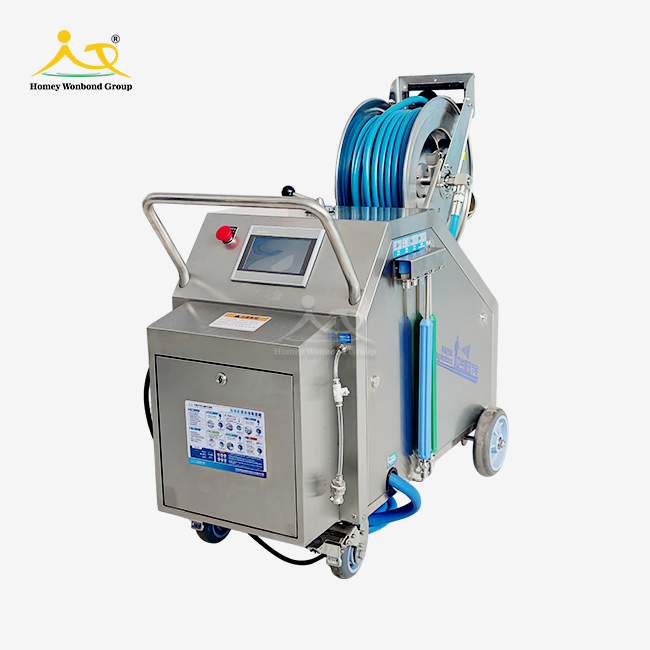
Portable units can be used in a variety of places to provide focused treatments, such as moving between processing lines during cleaning shifts or treating contamination events in certain zones. Most of the time, these small Ozone Generators can produce between 3 and 10 grams per hour, and their frames have wheels for easy movement. Stationary setups work with a building's HVAC system or sterilization rooms to keep the air clean or run treatment processes on a plan. Wall-mounted models, like Huamei Wanbang's 53x17x24 cm model, make the best use of floor space while still providing a steady 5 g/h output for specific working areas.
Automation and Control Features
Microcomputer time-control switches that can be operated from a distance make things safer by keeping people from being exposed during treatment rounds. Programmable timers let you set up automatic cleaning cycles to run overnight, treat the whole building on the weekends, or do organized multi-zone sequential processing. More advanced models connect to building management systems and log data for compliance purposes and to keep an eye on performance.
Here are the main reasons why industrial-grade technology is better than simple models:
- Energy Efficiency: Heat disposal systems that are cooled by air can keep running smoothly without water cooling equipment. This means that they only need about 100W of power to produce 5 g/h of heat.
- Consumable-Free Operation: An air-source gas supply gets rid of the need for oxygen tanks or chemical sources, which lowers ongoing costs by a large amount over the equipment's lifetime.
- Dual Control Systems: Microcomputer time-control switches mixed with remote control units give businesses more options and make workers safer by letting them activate systems from a distance.
- Space Optimization: Configurations that are placed on the wall save important floor space in crowded work areas while still providing full functionality.
These technological features solve common problems in food processing settings, where limited room, high costs, and strict safety rules make managing facilities hard.
Where to Source Industrial Ozone Generators in Bulk: Trusted Suppliers and Brands
To find dependable sources for buying bulk Ozone Generators, you need to carefully look at the qualifications of manufacturers, their product lines, and their service offerings.
Direct Manufacturer Partnerships
Manufacturers with a long history, like Huamei Wanbang Biotechnology Group, offer clear benefits for bulk purchases because they can make tools, mix chemicals, and create hygiene systems all in-house. This National High-Tech Enterprise was established in 2011 and has specialized divisions such as Intelligent Equipment Co., Ltd. and Environmental Control Biotechnology Research Institute. These divisions provide complete facility solutions from the initial consultation stage through installation and ongoing upkeep. Their 18 years of production experience and relationships with research institutions like the Chinese Academy of Sciences make sure that technology keeps getting better and that their products are always reliable.
Evaluating Supplier Credibility
Do factory checks that look at how the production line is automated, how quality control is done, and where the raw materials come from. Ask for client references from businesses in the same field, preferably ones that have used the Ozone Generators for more than one year. Instead of depending only on documents given by the supplier, check certifications against independent databases. Huamei Wanbang's ISO 9001 certification, EU CE compliance, and REACH-compliant chemical goods show that the company is dedicated to upholding international quality standards, which is very important for businesses that want to sell.
Logistics and Import Considerations
The position of the factory has a big effect on shipping prices, delivery times, and the availability of after-sales service. Facilities in central China, such as Huamei Wanbang's Zhengzhou operations, offer strategic transportation benefits through extensive train and sea freight networks that serve markets in Asia, Europe, and North America. When you buy Ozone Generators in bulk, you can often get lower shipping rates from companies you've worked with before and trust. Standard things in stock ship right away, but personalized versions usually need 14 business days to be made and checked for quality.
Best Practices for Safe Use and Maintenance of Industrial Ozone Generators
Following set operating procedures and repair schedules is necessary to make sure that workers are safe and that Ozone Generator equipment lasts as long as possible.
Operational Safety Protocols
When ozone levels rise above 0.1 ppm, it can irritate the lungs and damage lung tissue, which is bad for your health. Never use Ozone Generators in a room that is already filled; set up lockout measures to keep people from entering the room during treatment cycles. Set up ozone monitors that will turn off the equipment automatically at 0.08 ppm. Give your team thorough training that covers how to handle emergencies, how to spot exposure symptoms, and the right way to use tools. Put up clear signs that show where ozone treatment is happening and how long people need to wait before they can go back in.
Routine Maintenance Requirements
Once a month, you should check to see if the air entry screen is clean, the electrical connections are solid, and the cooling system works. Models that are cooled by air, like the 7.5 kg wall-mounted unit, need to have their filters changed every three months to keep the wind and Ozone Generator production at their best. Professional service once a year includes checking the corona discharge tube, testing high-voltage parts, and making sure the output setting is correct. Keep track of all upkeep tasks so that you can pass compliance checks and back up guarantee claims.
Compliance and Documentation
Keep thorough logs of treatment plans, readings of ozone concentration, upkeep tasks, and any problems with the way things are working. These records show that the rules were followed during checks by the USDA, FDA, or OSHA. They also give useful information for improving treatment plans. Set up standard operating procedures (SOPs) that cover starting up the Ozone Generators, running the treatment cycle, checking the results of the treatment, and shutting down in an emergency.
Conclusion
When buying industrial Ozone Generators in bulk, you need to do a strategy analysis that takes into account technical specs, supplier reliability, and total cost. It is important to know the unique needs of food processing and livestock operations so that you can choose equipment that meets regulatory standards and sterilizes well. Working with well-known companies that offer a wide range of products, quality control systems that are recognized, and strong customer service after the sale lowers the risks of purchasing things and helps a business succeed in the long run. Modern Ozone Generator technology is an affordable option for places that care about cleanliness and the environment. It has advanced automation features, energy-efficient designs, and doesn't need any consumables to work.
FAQ
1. What ozone output capacity do I need for my facility?
Figure out how much space is needed by using the room's size and air flow rate. For 60 to 90 minute general cleaning rounds, a 5 g/h Ozone Generator can clean up to 1000 cubic meters of space well. Multiple units that work together or higher-capacity models with outputs range from 10 to 50 g/h are better for larger buildings or continuous ambient control uses.
2. How do ozone systems compare to UV sterilization technology?
Ozone gas can get into tight spaces and clean surfaces, air, and hard-to-reach places at the same time, but UV light needs to be directly exposed. Ozone Generators work best in places with a lot of equipment, pipes, and uneven surfaces. UV, on the other hand, is best for specific tasks like sterilizing air ducts or treating water in clear containers. In many places, both tools are used together to do different things.
3. What certifications should I verify before bulk purchasing?
Give top priority to CE approval for electricity safety, ISO 9001 for managing quality in manufacturing, and food-grade material compliance for uses in processing plants. Ask for approved test results that show the accuracy of the Ozone Generator output and the electrical safety parameters.
Partner with Homey Wonbond for Your Industrial Ozone Generator Needs
Homey Wonbond's combined production departments and research partnerships allow us to offer complete hygiene solutions to the livestock, and food preparation industries. Our industrial Ozone Generator equipment works well and is backed by 18 years of production experience, CE approval, and a full technical support system. As a reliable Ozone Generator maker, we offer benefits for buying in bulk, such as low prices, flexible setups, and fast shipping through well-established global logistics networks. Email our procurement experts at frank@hmwbcleaning.com to talk about your unique building needs and get quotes that are tailored to your business.
References
1. Zhang, L., & Wang, J. (2021). Industrial Ozone Applications in Food Safety and Biosecurity Systems. Food Technology Press.
2. Mitchell, R. T. (2020). Comparative Analysis of Sterilization Technologies for Commercial Food Processing. Journal of Food Engineering and Safety, 45(3), 287-304.
3. American Industrial Hygiene Association. (2022). Guidelines for Ozone Use in Occupied and Unoccupied Spaces. AIHA Technical Committee Report.
4. Chen, H., & Rodriguez, M. (2023). Economic Analysis of Chemical-Free Disinfection Systems in Large-Scale Facilities. Industrial Hygiene Quarterly, 58(2), 112-129.
5. Food and Drug Administration. (2021). Secondary Direct Food Additives Permitted in Food for Human Consumption: Ozone. Code of Federal Regulations Title 21.
6. European Committee for Standardization. (2020). Safety Requirements for Industrial Ozone Generation Equipment. EN 60335-2-65 Standard Documentation.
Learn about our latest products and discounts through SMS or email