- English
- French
- German
- Portuguese
- Spanish
- Russian
- Japanese
- Korean
- Arabic
- Greek
- German
- Turkish
- Italian
- Danish
- Romanian
- Indonesian
- Czech
- Afrikaans
- Swedish
- Polish
- Basque
- Catalan
- Esperanto
- Hindi
- Lao
- Albanian
- Amharic
- Armenian
- Azerbaijani
- Belarusian
- Bengali
- Bosnian
- Bulgarian
- Cebuano
- Chichewa
- Corsican
- Croatian
- Dutch
- Estonian
- Filipino
- Finnish
- Frisian
- Galician
- Georgian
- Gujarati
- Haitian
- Hausa
- Hawaiian
- Hebrew
- Hmong
- Hungarian
- Icelandic
- Igbo
- Javanese
- Kannada
- Kazakh
- Khmer
- Kurdish
- Kyrgyz
- Latin
- Latvian
- Lithuanian
- Luxembou..
- Macedonian
- Malagasy
- Malay
- Malayalam
- Maltese
- Maori
- Marathi
- Mongolian
- Burmese
- Nepali
- Norwegian
- Pashto
- Persian
- Punjabi
- Serbian
- Sesotho
- Sinhala
- Slovak
- Slovenian
- Somali
- Samoan
- Scots Gaelic
- Shona
- Sindhi
- Sundanese
- Swahili
- Tajik
- Tamil
- Telugu
- Thai
- Ukrainian
- Urdu
- Uzbek
- Vietnamese
- Welsh
- Xhosa
- Yiddish
- Yoruba
- Zulu
Foam Spray System Benefits for Dairy and Beverage Industry Hygiene
There is constant pressure on dairy and beverage operations to keep up with the highest standards of cleanliness. There is a chance that microbes will get into every processing line, storage tank, and piece of equipment. This can affect the safety of the product and the image of the brand. Traditional ways of cleaning don't always work because they leave behind biofilms, use too much water, and don't meet the strict requirements of current food safety checks. The Foam Spray System is a smart way to deal with these problems because it cleans better while using fewer resources and having lower running costs. This technology changes how companies handle sanitation, providing a dependable way to achieve compliance, speed, and long-term hygiene stability in markets that are becoming more competitive.
Understanding Foam Spray Systems in Dairy and Beverage Hygiene
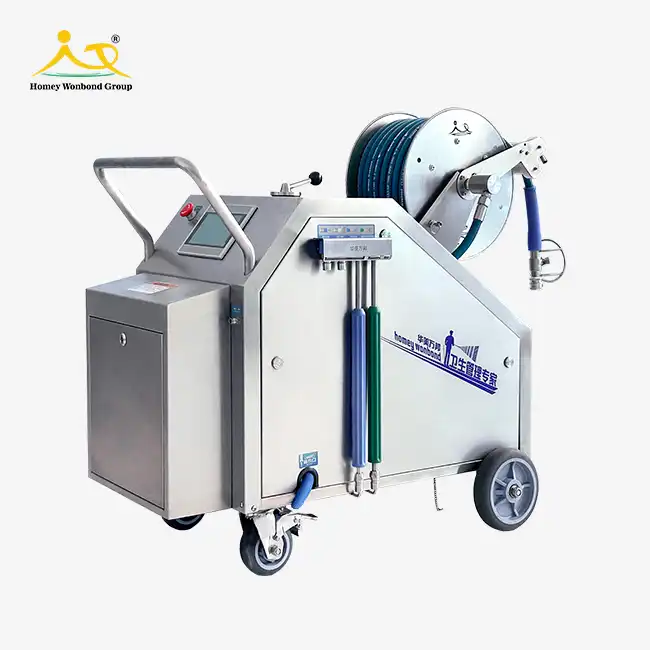
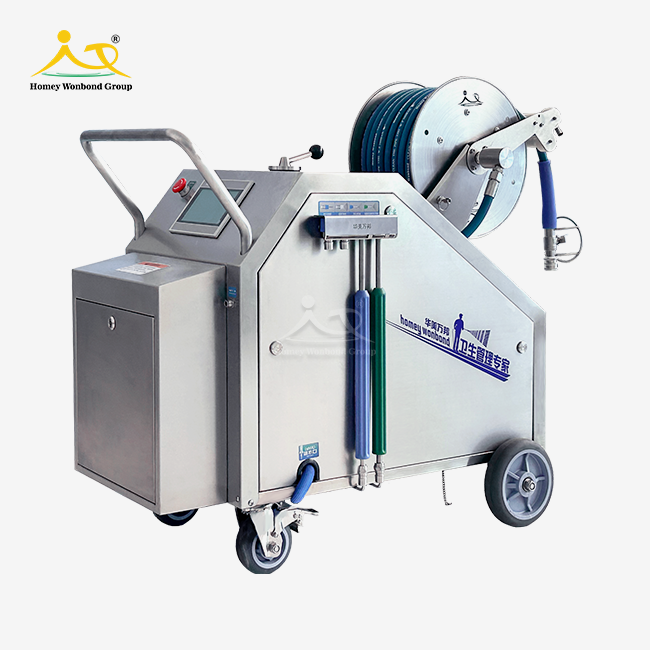
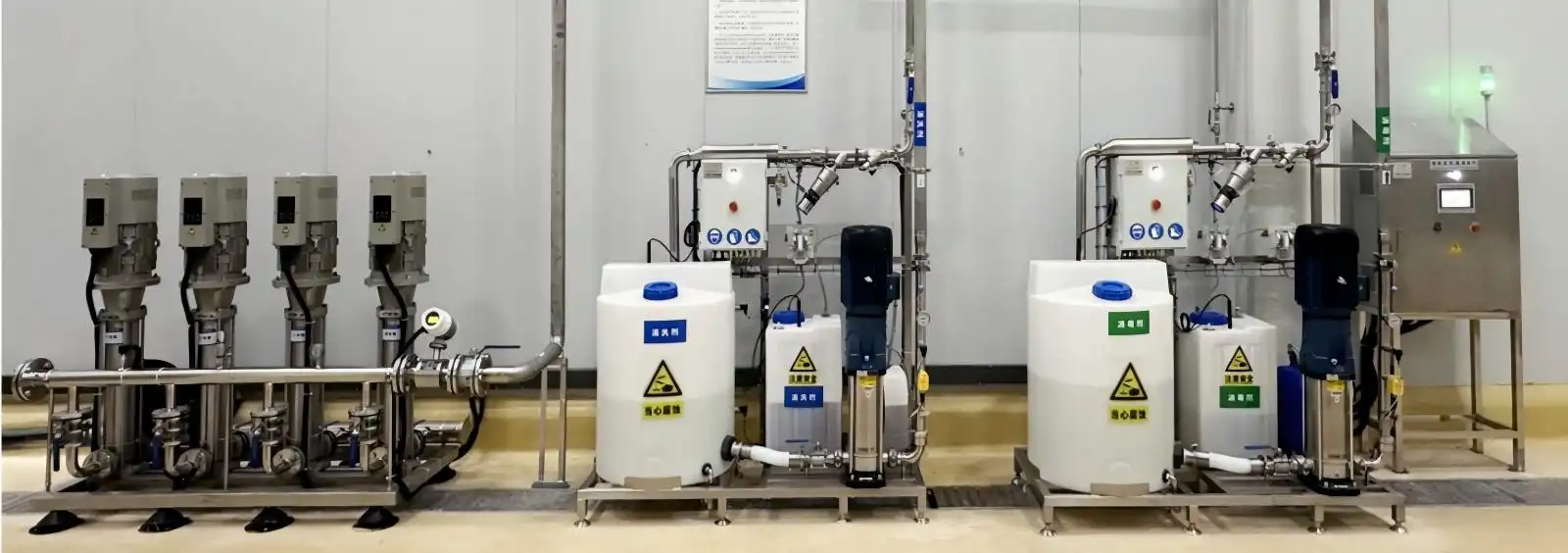
These days, managing cleanliness requires more than just spraying and rinsing. High-pressure water transport, exact chemical dosing, and the production of compressed air are all built into the Foam Spray System design. The tri-function transformer is the heart of this technology. It's where all three types of media come together and are mixed automatically before they reach the application spots. The thick foam that forms sticks to both vertical and horizontal surfaces, giving cleaning agents and dirt the most time to work together.
Core Components and Working Mechanism
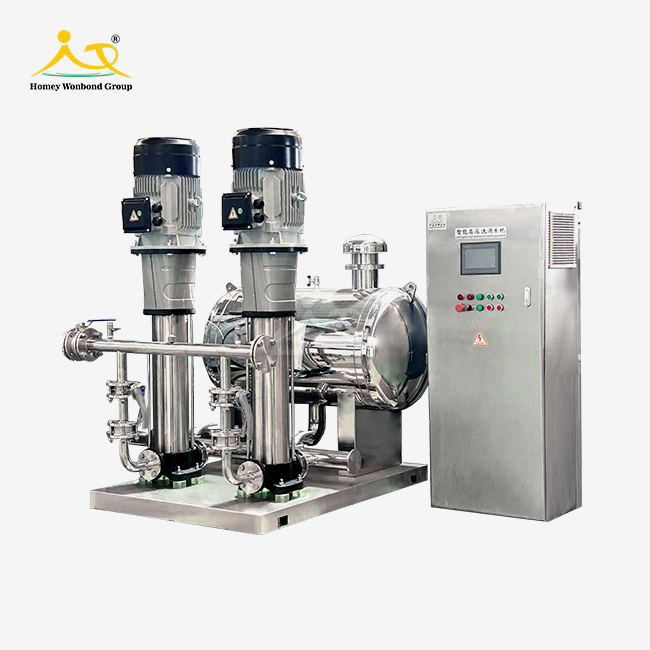
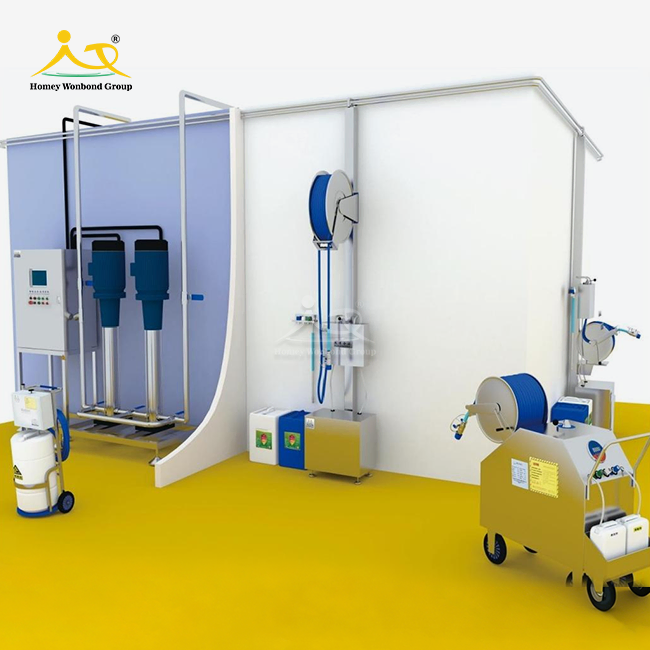
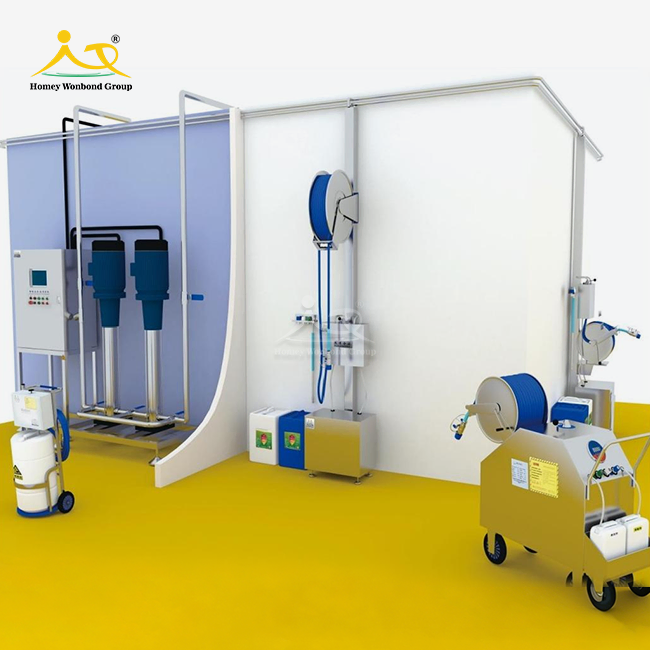
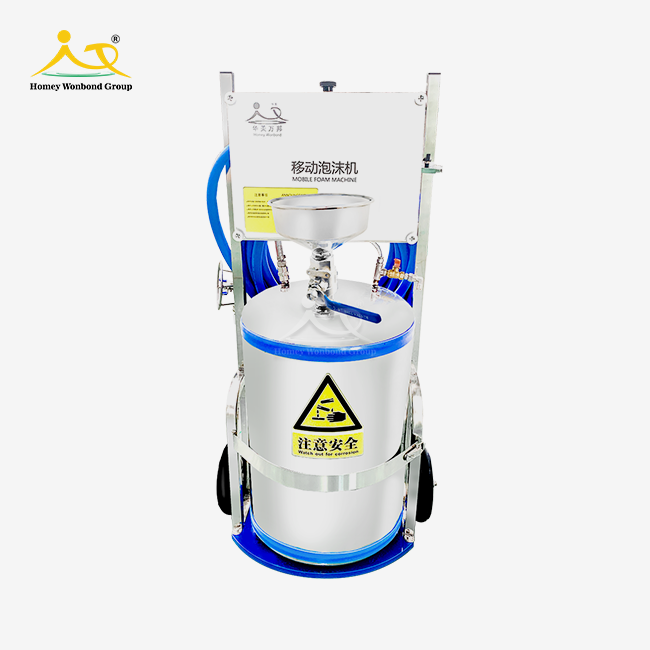
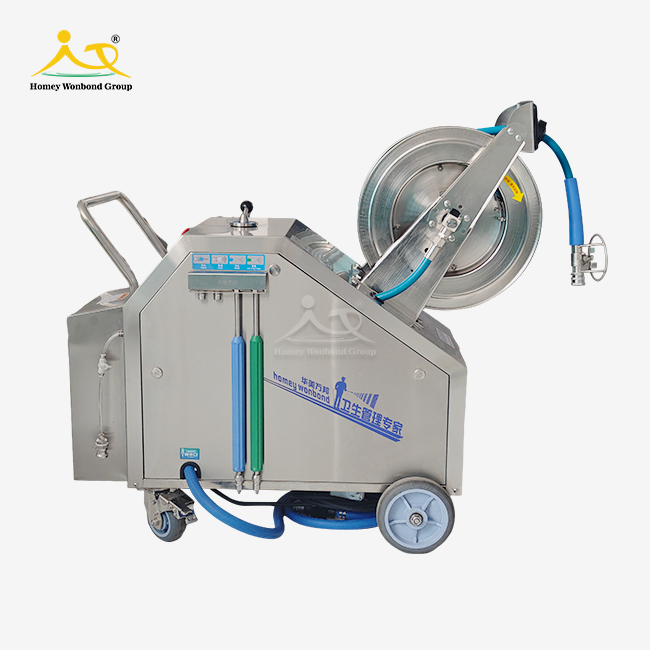
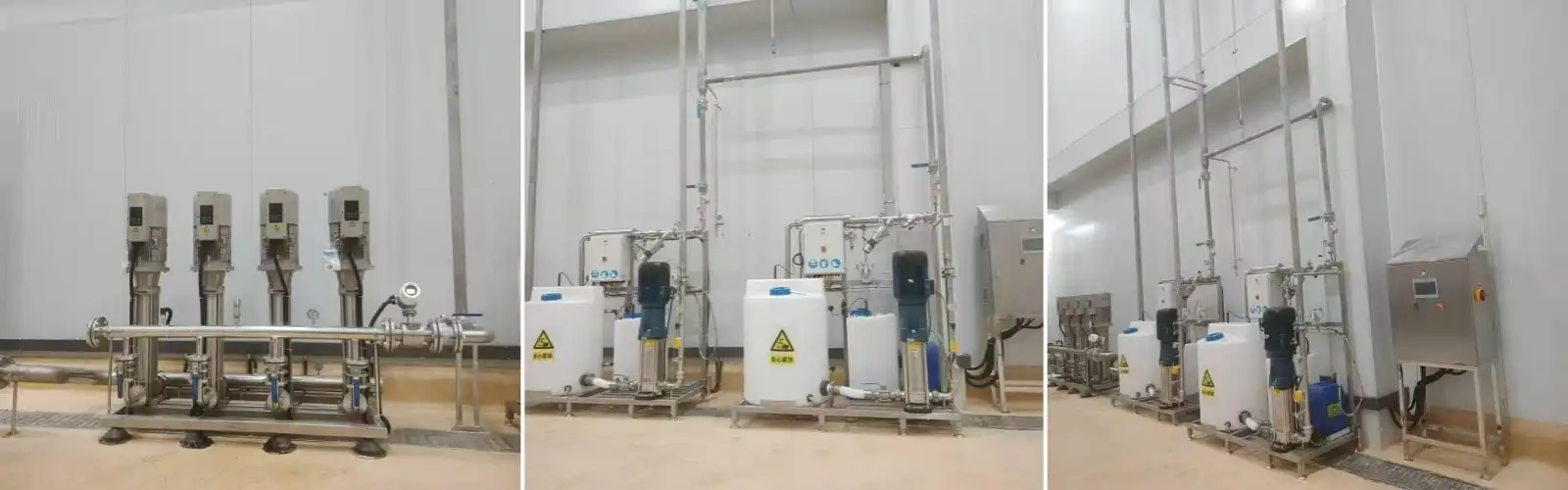
The Foam Spray System consists of a central pump unit delivering adjustable pressure (15–100 bar), dosing pumps for precise chemical injection, and compressed air for foam generation. Hose reels and interchangeable spray guns at substations ensure flexible operation. The modular design allows localized maintenance without shutdown, while stainless steel construction ensures durability, corrosion resistance, and compliance with food-grade hygiene standards.
Process Superiority Over Traditional Methods
Traditional cleaning relies on high water use and manual wiping, leading to inconsistent results. Foam Spray Systems improve the process through a structured cycle of pre-rinse, foam application with dwell time, and final disinfection. The foam adheres to surfaces, improving contact time and biofilm removal. This targeted delivery ensures effective cleaning of dairy residues, beverage line deposits, and hard-to-reach areas.
Key Benefits of Foam Spray Systems for Dairy and Beverage Hygiene
When advanced Foam Spray System technology is used, it leads to measured gains in many areas of operations. Quality managers say that ATP test results are more reliable when Foam Spray System techniques are used instead of manual cleaning methods. Directors of EHS like that using too much water lowers the risk of chemical exposure and slips and falls. Plant leaders like centralized Foam Spray Systems because they make better use of resources and are ready for audits.
Enhanced Cleaning Efficiency and Pathogen Control
Cleaning agents can get deeper into and break down organic dirt better with Foam Spray System application than with quick spray methods because of the longer contact time. Food safety lab research shows that Foam Spray System cleaning methods reduce the number of microbes by a factor of ten, which is at least as good as the standards set by regulators for controlling pathogens. This works especially well in dairy factories where Listeria monocytogenes is a chronic risk in certain areas of the environment.
Microbes like yeasts, moulds, and spoilage bacteria that grow well in sugary settings can cause problems when making drinks. The obvious foam coverage lets workers know right away which areas have been properly treated, so they don't have to guess.
Water and Chemical Conservation
Environmental safety is becoming more and more important in the food processing industry when it comes to buying things. Traditional high-pressure washing can use up to tens of thousands of gallons of water per shift, which means that treating the wastewater is very expensive. This method uses fans with low flow and high pressure to clean effectively while using much less water. The small aperture design keeps the useful impact force while reducing the total amount of water used by a number that can be measured.
Gains in chemical performance are just as amazing. Because foam sticks to surfaces instead of running off, you need less cleaning concentrate to get the same or better results. Facilities can get the most out of their chemicals by adjusting the dose ratios. For example, light foam can be used for general cleaning, while denser foam can be used to get rid of heavy dust. This freedom immediately leads to lower costs for chemicals and less damage to the environment from effluent release.
Operator Safety and Ergonomic Improvements
When people clean by hand, they risk chemical splashback, injuries from repeated action, and slipping on wet floors. These risks are lessened by centralized Foam Spray Systems, which make cleaning easier on the body. The operators spread foam from a safe distance, which lets science do the work that used to be done by scrubbing hard. The controlled application lowers the amount of chemical fumes in the air and keeps skin from coming into direct touch with strong cleaners.
The modular station design places cleaning tools throughout the building at heights and places that are best for your health. Instead of pulling hoses across factory areas, workers spend more time making sure that all important control points are covered completely. Higher standards of cleanliness are supported by this operating efficiency, which also makes it easier on cleaning crews who work long shifts in tough settings.
Versatility Across Processing Environments
In dairy farms, places where milk is received, pasteurisation systems, cheese vats, and packing lines all need to be cleaned in different ways. Carbonation devices, syrup rooms, bottle fills, and keg washing stations are all things that beverage plants need to take care of. The Foam Spray System can handle all of these different situations.
Here are the core advantages of this device when configured for multi-zone applications:
1. Centralized Control with Distributed Access: Multiple substations throughout the building are supplied by a single pump house. Each substation is run separately, but they all use the same chemical and utility supplies. This design gets rid of the wasteful need to move mobile tools from one cleaning zone to another.
2. Pressure Customization: Different types of tools and dirt need different amounts of mechanical action. The method lets you change the working pressure at each stage, so you can use gentle foam on delicate surfaces and tough cleaning on areas that are really dirty.
3. Three-Stage Protocol Integration: The process of rinsing, foam cleaning, and spray sanitising is built into the equipment, so operators don't have to remember it or follow written instructions. This integration cuts down on variation and makes sure that approved cleaning methods are always followed.
4. Scalable Configuration: As output grows, facilities can add more substations, and the number of cleaning spots can be changed to match real washing needs instead of making processes fit the limits of the equipment.
All of these benefits work together to solve problems that quality managers and plant leaders have been pointing out, such as uneven hand cleaning, audit pressure, and contamination risks that put production and market access at risk.
How to Choose the Right Foam Spray System for Your Dairy or Beverage Facility
Before investing in cleaning infrastructure, it's important to carefully look at the needs of the building and set long-term operating goals. The first step in the selection process is an honest look at the current health problems and the production goals for the future. Forward-thinking managers ensure the Foam Spray System selected meets all operational criteria.
Defining Your Facility Requirements
Size of the plant and the amount of production have a direct effect on the system specs. A small craft dairy with few SKUs has different needs than a beverage factory that makes a lot of drinks and runs multiple lines all the time. Cleaning times depend on the type of product. For example, new dairy products need to be cleaned every day, while some beverage factories have long production runs with deep cleaning processes every week.
Making a map of the real cleaning spots in the building is the first step in deciding where to put the substations. Walk through the production areas with the people in charge of operations and cleaning to find places where foam will be applied. Think about the entry needs of the equipment, the availability of utilities, and the work habits that affect how cleaning crews move through the plant during sanitation shifts.
Evaluating Technical Performance Metrics
The quality of the foam decides how well the chemicals clean and work. Good foam keeps its stable bubble structure during use; it doesn't fall apart too fast or stay in place for too long, which makes rinse processes longer. The coverage area and application width are both affected by the expansion ratio, which is the amount of volume gain from a liquid chemical to final foam. Systems with changeable expansion rates give the facility the freedom to get the best performance from a variety of uses.
Area covered per minute of application time has a direct effect on the amount of work that needs to be done. Smaller teams can finish sanitation routines within their shift windows when coverage is faster. But speed shouldn't come at the expense of thoroughness, especially in key control places where following the rules on cleaning processes rests on them being proven to work.
Supplier Partnership and Support Capabilities
Supplier reliability is as important as technical specifications for long-term equipment performance. Ensure suppliers provide fast maintenance support, available spare parts, and clear service documentation. Strong warranty coverage on parts and labor reflects product durability and supplier credibility, helping assess total cost of ownership. Training programs for operators and maintenance staff further demonstrate commitment to customer success beyond a one-time sale.
Best Practices for Operating and Maintaining Foam Spray Systems in Food & Beverage Hygiene
Technology by itself does not promise great cleanliness. For implementation to work well, operating discipline and preventative maintenance must be paid close attention to. This will protect the investment in tools and ensure uniform performance with the Foam Spray System.
Daily and Periodic Maintenance Protocols
Cleaning tools require routine maintenance to ensure consistent performance. Nozzles should be checked and cleaned daily to prevent residue buildup that affects spray quality. Pumps should be monitored for pressure changes, unusual noise, and leaks, with issues repaired early to avoid costly downtime. Chemical concentrates must be stored under proper conditions, labeled clearly, and rotated using FIFO to maintain stability and safety compliance.
Operator Training and Safety Emphasis
For even the most advanced Foam Spray System to work, it needs trained staff who know how to use the tools and the basic rules of cleanliness. In-depth training programs teach students how to safely handle chemicals, including how to choose the right personal safety equipment and what to do in an emergency. To make sure that approved cleaning processes are carried out properly, workers need to know about dilution ratios, contact times, and application techniques.
Safety isn't just about handling chemicals; it also includes using tools and being aware of dangers in the building. During training, people learn about electricity safety around cleaning equipment, how to handle hoses so they don't cause trips, and how to talk to each other during sanitation shifts when production workers may still be in some areas of the building.
Troubleshooting Common Issues
Inconsistency in the foam usually means that there are issues with the chemical ratios, the air pressure, or the state of the opening. If the foam seems too wet or too dry, check each part of the system one by one. Make sure that chemical barrels still have enough concentrate in them and that there are no limits on the supply lines. Make sure that the air pressure values are correct for the tools. Check the tubes for wear patterns or partial blocks that could lower the mixing efficiency.
Long periods of downtime can be avoided by knowing when to call technical help. If basic fixing steps don't help fix the issue, call the supplier's support team, which has diagnostic knowledge that isn't available anywhere else. Keep correct records of your equipment's installation dates, service history, and component changes. This will help support staff quickly find the root causes.
Environmental and Regulatory Considerations for Foam Spray Systems in Food Processing
Cleaning systems and cleanliness chemicals are also closely watched by the government when it comes to food preparation. To follow FDA rules, USDA inspection methods, and private certification standards like HACCP and GFSI benchmarks, you must be able to show that you have control over hygiene processes. Using a Foam Spray System ensures these requirements are met.
Meeting International Hygiene Standards
FDA modernization emphasizes preventive controls and environmental monitoring, requiring reliable and consistent cleaning processes. Foam Spray Systems improve consistency and reduce manual variation, while centralized documentation supports audit-ready compliance. Under EU REACH regulations, food-processing chemicals must be safety-tested and properly registered. Buyers should ensure REACH-compliant products with full documentation and use adaptable systems that meet varying international hygiene standards.
Contributing to Sustainability Objectives
Environmental sustainability goals increasingly influence food manufacturing decisions, especially in cleaning systems. Foam spray efficiency supports water, energy, and waste reduction targets with measurable reporting benefits. Optimized chemical use reduces wastewater load and treatment costs, including surcharge fees. Biodegradable foam concentrates maintain cleaning performance while improving environmental compatibility. Procurement should balance hygiene effectiveness with environmental impact to achieve sustainability and compliance objectives.
Future Trends in Smart Hygiene Technology
Automation keeps changing how food is processed, and it's now being used for more and more cleaning tasks that used to be done by hand. Foam Spray Systems can be connected to building control networks through integration options. This lets you set cleaning cycles, change chemical doses automatically, and keep digital records that make getting ready for an audit easier.
Smart sensors check the quality of the foam, the area it covers, and the time it is in touch with the surface. They give real-time feedback that makes sure the routine is followed. Data analytics find patterns in how well things are cleaned, pointing out areas of equipment that need more work or changes to the routine. With these features, cleanliness management can move from fixing problems after they happen to planning upkeep and making improvements all the time.
Conclusion
Facilities that handle dairy and drinks are under a lot of pressure to make sure their goods are safe, keep costs down, and meet environmental standards. The Foam Spray System is a tried-and-true way to reach all of these different goals at the same time. Better cleaning effectiveness reduces the chance of contamination and meets audit standards. Saving resources helps keep promises to be sustainable and stick to practical budgets. Increasing the safety of operators protects the workers and makes cleaning processes more consistent. Centralised Foam Spray System technology gives facilities that want to stay ahead of the competition through better hygiene measured returns on investment across multiple performance factors. As rules get stricter and customer demands rise, advanced cleaning systems will become even more valuable from a business point of view. For forward-thinking building management teams, this means carefully analysing Foam Spray System technology.
FAQ
1.Is foam spray technology safe for all dairy and beverage processing equipment?
Most types of food processing equipment can be cleaned with Foam Spray Systems. These include stainless steel, food-grade plastics, rubber gaskets, and special finishes. The different pressure levels and chemical mixes make it possible to gently clean delicate parts while also thoroughly cleaning tough areas. Validation tests should make sure that it works with the tools in your building.
2.How does foam cleaning compare to traditional spray methods for microbial control?
The longer the touch time between the sanitising agents and the dirty surfaces, the better the bacteria reduction compared to quick spray-and-rinse methods. The clear foam covering makes sure that the target areas are completely treated, leaving no holes that microbes can live in. Foam Spray System methods that have been properly tested always meet the standards set by regulators for environmental sanitation in food preparation settings.
3.What maintenance does a foam spray system require?
Regular upkeep includes checking and cleaning the nozzles every day, checking the pumps on a regular basis, and managing chemical stores properly. The flexible design makes it easier to change parts when they break. Most facilities add maintenance for Foam Spray Systems to their regular preventative maintenance plans, so they don't need to hire specialised workers or have a lot of downtime.
Partner with Homey Wonbond for Advanced Hygiene Solutions
To improve the cleanliness of your building, you need more than just tools. You need a partner with deep industry knowledge and tried-and-true technology. Homey Wonbond has been making things for 18 years, and most of that time has been spent making cleaning systems for food preparation. Our Foam Spray System works well and is reliable, which is what quality managers, EHS heads, and plant leaders need to meet today's strict standards.
Our engineering team works directly with your facility to create custom layouts that meet your exact cleaning needs, output plans, and legal requirements. Homey Wonbond offers full service that protects your investment and ensures operating success, from the original consultation to installation, training, and ongoing support. We keep a lot of stock on hand so that we can serve quickly. Usually, customised systems are ready within 14 working days.
As a certified Foam Spray System maker with CE certification and full MSDS paperwork, we have developed logistics relationships that allow us to serve customers all over North America and the world. Get in touch with Frank at frank@hmwbcleaning.com to talk about your facility's needs and get a thorough system estimate.
References
1. Schmidt, R. H., & Erickson, D. J. (2020). Sanitation in Food Processing Facilities: Principles and Practices. Institute of Food Technologists Press.
2. Marriott, N. G., Schilling, M. W., & Gravani, R. B. (2018). Principles of Food Sanitation (6th ed.). Springer International Publishing.
3. Lelieveld, H. L., Holah, J., & Gabrić, D. (2021). Handbook of Hygiene Control in the Food Industry (2nd ed.). Woodhead Publishing.
4. European Hygienic Engineering & Design Group. (2019). Hygienic Design of Food Processing Equipment and Cleaning Systems. EHEDG Guidelines Series.
5. Food and Drug Administration. (2021). Current Good Manufacturing Practice, Hazard Analysis, and Risk-Based Preventive Controls for Human Food: Guidance for Industry. U.S. Department of Health and Human Services.
6. Tompkin, R. B., & Jensen, N. (2019). Cleaning and Sanitizing in Food Processing Operations. American Meat Science Association White Paper Series.
Learn about our latest products and discounts through SMS or email