- English
- French
- German
- Portuguese
- Spanish
- Russian
- Japanese
- Korean
- Arabic
- Greek
- German
- Turkish
- Italian
- Danish
- Romanian
- Indonesian
- Czech
- Afrikaans
- Swedish
- Polish
- Basque
- Catalan
- Esperanto
- Hindi
- Lao
- Albanian
- Amharic
- Armenian
- Azerbaijani
- Belarusian
- Bengali
- Bosnian
- Bulgarian
- Cebuano
- Chichewa
- Corsican
- Croatian
- Dutch
- Estonian
- Filipino
- Finnish
- Frisian
- Galician
- Georgian
- Gujarati
- Haitian
- Hausa
- Hawaiian
- Hebrew
- Hmong
- Hungarian
- Icelandic
- Igbo
- Javanese
- Kannada
- Kazakh
- Khmer
- Kurdish
- Kyrgyz
- Latin
- Latvian
- Lithuanian
- Luxembou..
- Macedonian
- Malagasy
- Malay
- Malayalam
- Maltese
- Maori
- Marathi
- Mongolian
- Burmese
- Nepali
- Norwegian
- Pashto
- Persian
- Punjabi
- Serbian
- Sesotho
- Sinhala
- Slovak
- Slovenian
- Somali
- Samoan
- Scots Gaelic
- Shona
- Sindhi
- Sundanese
- Swahili
- Tajik
- Tamil
- Telugu
- Thai
- Ukrainian
- Urdu
- Uzbek
- Vietnamese
- Welsh
- Xhosa
- Yiddish
- Yoruba
- Zulu
Why Slaughterhouse Foam Washer Improves Sanitation Efficiency
Facilities that handle meat are always under pressure to keep up with the strictest sanitation rules while also keeping up with high prices and tight production plans. These problems can be solved by a Slaughterhouse Foam Washer, which has special foam technology that sticks to surfaces, increases chemical contact time, and gets rid of tough organic leftovers like animal fats and protein deposits. Foam application systems are better than traditional pressure washing because they use up to 40% less water and kill more microbes. This makes them essential for facilities that need to meet HACCP, ISO, and USDA safety standards without slowing down production.
Understanding Slaughterhouse Foam Washers
What Makes Foam Cleaning Technology Different
A foam cleaning system is a special way to keep things clean that was made for the tough conditions of meat processing plants. The technology works by injecting air into concentrated soap solutions. This breaks up the liquid chemicals into thick, sticky foam that sticks to high walls, processing equipment, and structures above. Cleaning agents can get deeper into biofilms and break down hardened tallow better than with standard spray methods because they have more time to touch the surface.
Core Components and System Variations
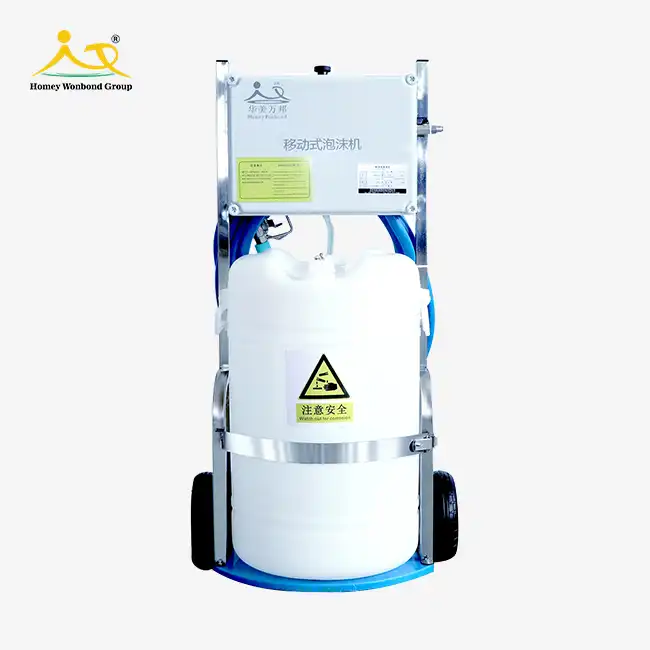
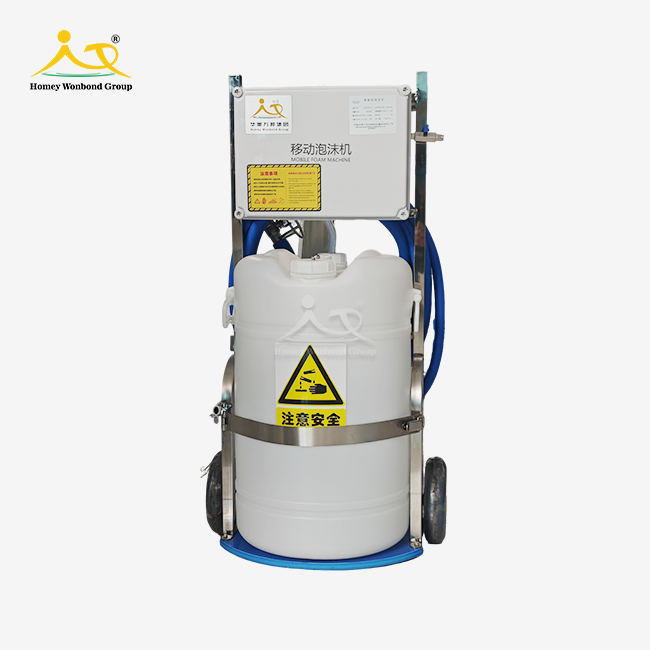
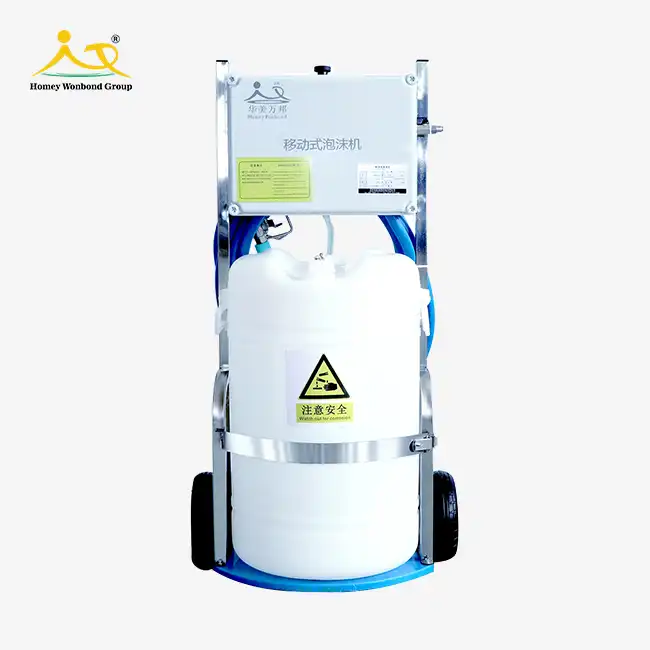
Modern foam application equipment comes in a variety of shapes and sizes to fit different building plans and work requirements. Small businesses with different processing rooms can use portable units for versatility, while stationary installations are better for high-volume facilities that need regular coverage across large floor areas. The Homey Wonbond mobile foam cleaning system is a great example of this because it is small (1450 x 520 x 1060 mm), weighs 148 kg, and runs on normal 220V power with a 1.5kW motor. Its 35-bar washing pressure and 3–5 bar air pressure work together to make thick foam that cleans better.
With just one comfortable handle, the unique valve system (Patent Number: ZL201822250Q21.X) lets you switch between high-pressure cleaning, foam application, and spray disinfection without any problems. This design makes it unnecessary to have various devices, which saves money on tools and makes it easier to train operators.
How Foam Generation Enhances Cleaning Outcomes
Through a venturi or air-induction tube, compressed air is added to a stream of soap to make foam. The foam that forms then spreads to cover surfaces evenly, making a cleaning sign that can be seen that helps workers find areas that need to be cleaned. During the foam's stay time—usually 5 to 10 minutes before rinsing—enzymes and detergents break down proteins and emulsify fats that are hard to get rid of by hand. According to research from the American Meat Institute, cleaning with foam lowers the number of germs by 3–4 log cycles compared to cleaning with water alone. This makes it much less likely that one processing batch will contaminate another.
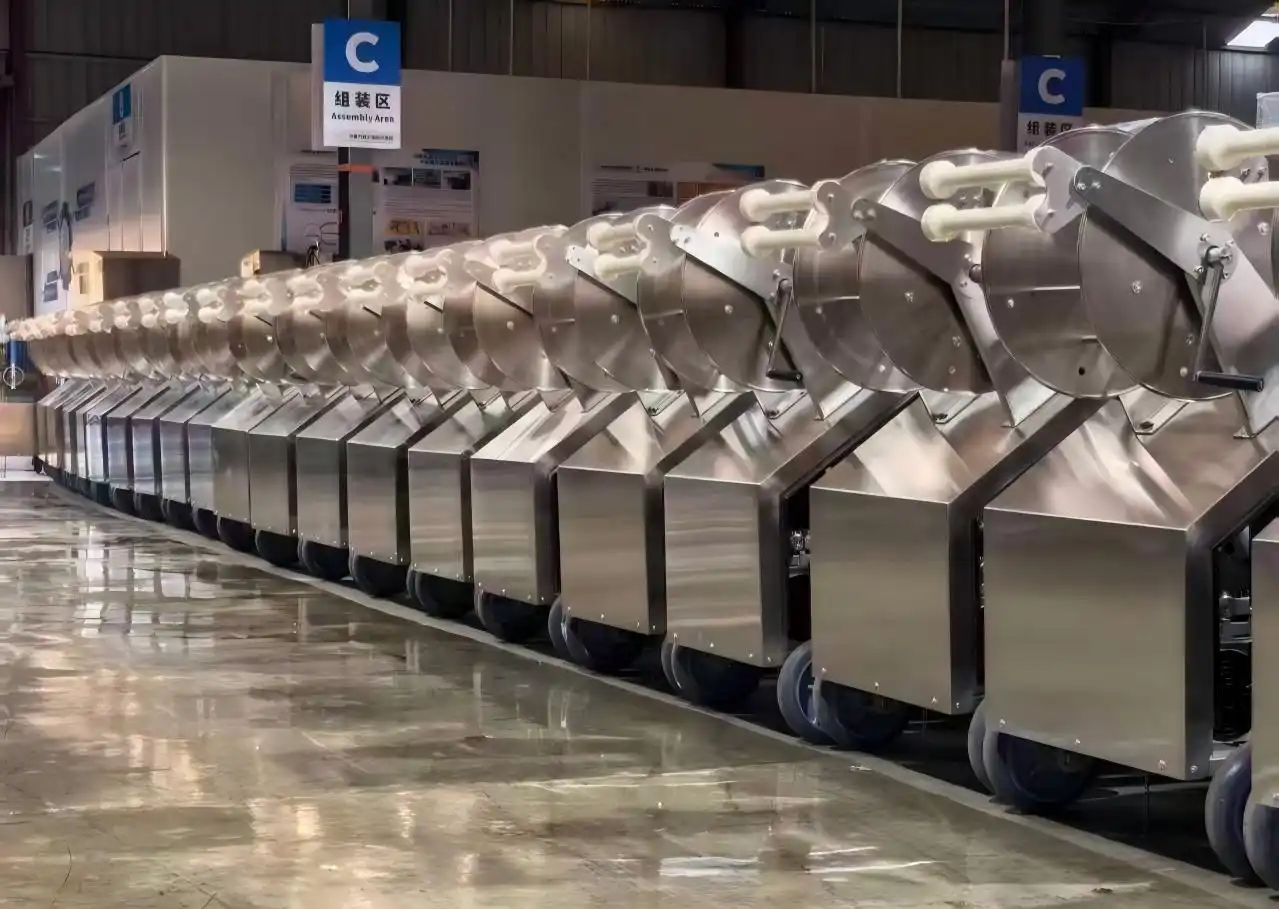
Why Foam Washers Elevate Sanitation Efficiency in Meat Processing
Limitations of Traditional Cleaning Methods
Cleaning by hand with brushes and buckets takes too many hours of work and produces results that aren't always uniform because of worker skill and fatigue Slaughterhouse Foam Washer. High-pressure water doesn't do anything chemically, and it often spreads contaminants instead of getting rid of them. These old ways of doing things also waste a lot of water, which is a big problem for processing plants that have to deal with rising energy costs and environmental rules.
Quality managers say that audit fails are often caused by not cleaning well enough in places like equipment cracks and drainage lines that are hard to get to. Traditional methods have trouble with these zones, which can lead to ongoing safety issues and even production shutdowns.
The Science Behind Foam Efficiency
Because of three main ideas, foam technology works where other ways fail. Because foam sticks to dirty surfaces, cleaning agents stay on them for a longer time instead of running off right away. Chemical processes are set off by the longer exposure time, which breaks molecular links in biological matter. The visibility of the foam gives bosses instant feedback, letting them check covering and make sure that no areas are missed during cleaning procedures.
Chemical similarity is very important in this process. Acidic cleaners get rid of mineral layers and water scale, while alkaline cleaners break down proteins and make soap from animal fats. The Homey Wonbond system works with both types of chemicals because it has corrosion-resistant valves and chemical-safe hoses. This means that facilities can change the way they clean based on the types of dust and surfaces they are cleaning.
Measurable Performance Improvements
Data from meat processing plants that switched to foam cleaning methods shows that they became much more efficient. Between 35 and 50 percent less time was spent cleaning during each shift, which freed up workers to do more valuable tasks. Compared to pressure cleaning alone, water use dropped by 30 to 45 percent, which can save a lot of money on utilities in high-volume businesses. Chemical use effectiveness went up because foam application makes sure that the chemicals are spread out evenly and there is no extra waste. This cut detergent costs by about 25%.
After foam cleaning, ATP bioluminescence readings are always less than 100 RLU, compared to 300–500 RLU when cleaning by hand, according to data from environmental monitoring. This drop in microbes is directly linked to a drop in product contamination and a drop in customer complaints about quality or shelf life.
Selecting the Right Foam Washer for Your Slaughterhouse
Critical Evaluation Criteria
To pick the right foam cleaning tools, you need to look at a number of scientific and practical factors Slaughterhouse Foam Washer. The system's ability to loosen dried-on soils before foam application depends on how much pressure it puts out. Units that put out 30 to 40 bar of pressure can handle most abattoir situations well. The quality of foam relies on the ratios of air to liquid. For the best surface covering and dwell time, use equipment that makes stable, thick foam with 10:1 expansion ratios.
Long-term prices are affected by how much energy is used. Units like the Homey Wonbond system use modern motor technology to balance powerful performance with 1.5kW power usage. This keeps energy costs low even during daily cleaning cycles that last several hours. Food-grade sanitisers will work with materials that have been certified as safe by chemical authorities. Look for materials that meet FDA and EU REACH standards to avoid legal problems.
Operational Features That Matter
Choosing between mobility and fixed installation is a smart choice that depends on how the building is set up. When a plant has more than one different working area, portable units on wheels with quick-connect fittings make installation unnecessary. The usual line length of 25 meters, which can be extended to 30 meters, on mobile systems gives them a good reach without the need for multiple sets of tools.
Automation options include triggers that can be operated by hand or systems that can be programmed to run cleaning rounds at set times. Most abattoir tasks can be done with semi-automated choices, which offer consistency while still letting the user control the amount of chemicals applied and the pressure settings.
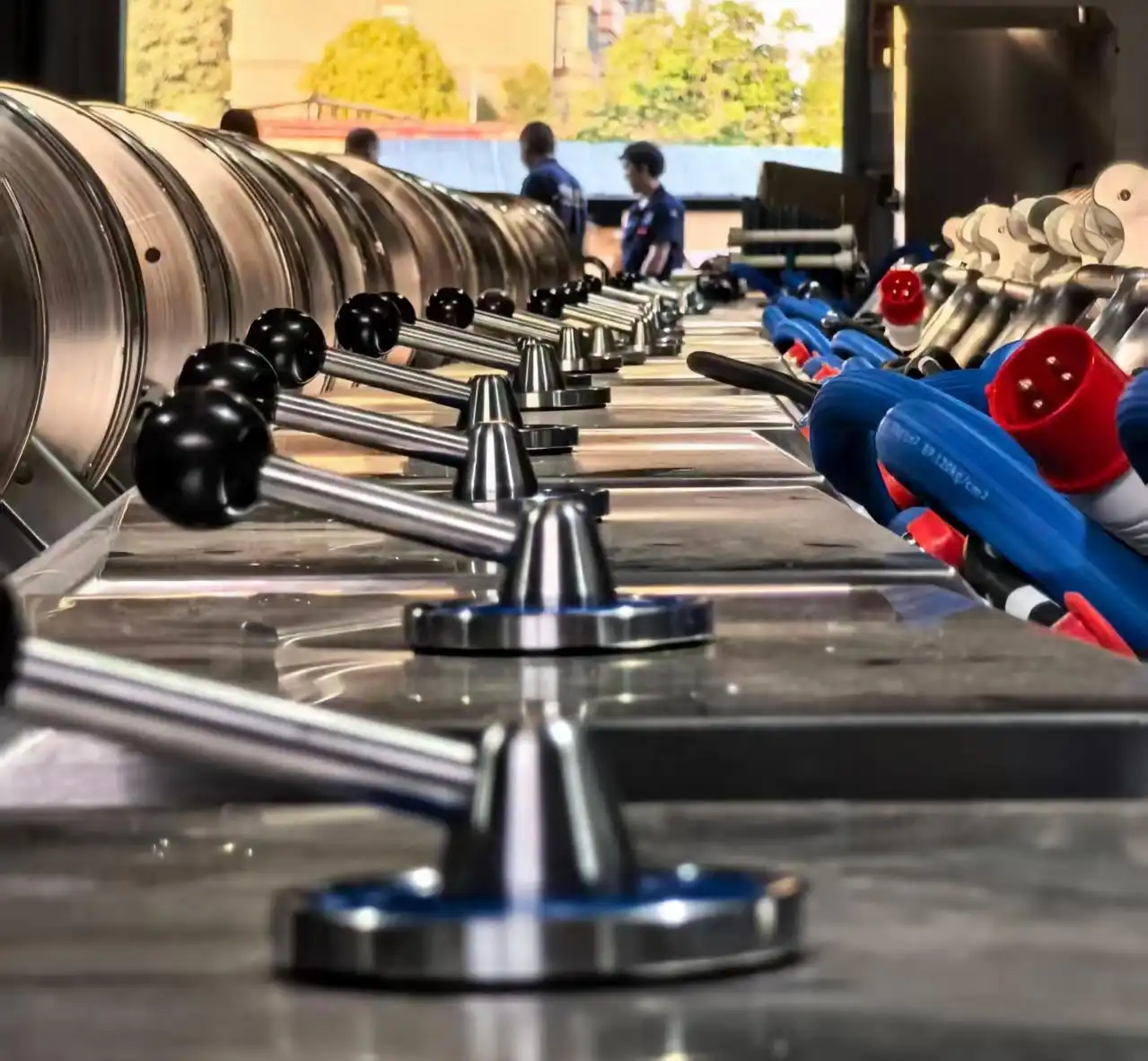
Maintenance and Safety Best Practices for Slaughterhouse Foam Washers
Routine Care and Preventive Maintenance
Simple but necessary chores that keep foam cleaning equipment Slaughterhouse Foam Washer working well and extend its life are needed to maintain it. As part of daily tasks, chemical supply lines are flushed with clean water to keep waste from building up. Hoses are also checked for wear and holes, and foam production is confirmed to be stable. Maintenance that is done once a week includes checking and cleaning the filters, looking for worn valve seals, and making sure the pressure gauges are accurate.
It's important to pay attention to how well products work together and the concentration levels when managing chemical tanks. Using cleansers that the maker recommends keeps seals and internal parts from getting damaged and makes sure that the foam works perfectly. To keep downtime to a minimum when parts wear out, spare parts should include new needles, seals, and quick-connect fittings.
Worker Safety and Proper Training
Chemical handling safety rules keep workers from coming into contact with strong cleaners and disinfectants. As part of the required personal protection equipment, workers must wear gloves that can resist chemicals, safety glasses, and waterproof aprons that are rated for the goods being used. Training programs should teach the right way to dilute chemicals, what to do in case of a chemical spill emergency, and how to spot signs of skin or lung discomfort.
Correct pressure sets for different surfaces are emphasised in training on how to use equipment. Too much pressure can damage equipment finishes or push contaminants into cracks instead of getting rid of them. Operators learn to tell the difference between a good foam texture and covering pattern that means the machine is working properly and one that means it needs to be serviced.
Environmental Considerations and Sustainability
Foam technology helps save water, which is in line with the meat production industry's growing standards for environmental responsibility. This method is used by the Homey Wonbond system's high-pressure, low-flow design, which cleans well while wasting as little water as possible. Optimising the use of chemicals has less of an effect on the environment because it stops wasteful products from going into sewer systems.
Eco-friendly foam cleaners with plant-based ingredients and biodegradable detergents are a good option to harsh chemicals that don't lose their cleaning power. These goods meet the safety standards for food while also leaving less of an impact on the environment. This is becoming an increasingly important factor as processors try to get sustainability certifications and meet customer demands for responsible production practices.
Procurement Insights: Buying and Implementing Slaughterhouse Foam Washers
Sourcing Strategies for B2B Buyers
There are several ways for procurement workers to get foam cleaning tools, and each has its own benefits. When you work directly with a manufacturer, like Homey Wonbond does, you can get technical help, choices for customisation, and low prices for large orders. Industrial equipment distributors carry a variety of names, which makes it easy to compare prices but may not have as much detailed knowledge about how to use equipment in slaughterhouses.
Online business-to-business (B2B) platforms give buyers more global buying options, but they should check the credentials of the suppliers, the certifications of the products, and the after-sales support services. If a company has CE certification and materials that are compliant with REACH, it means that they meet international quality and safety standards. This is very important for companies that sell goods or are owned by global corporations.
Investment Analysis and Long-term Value
To properly evaluate Slaughterhouse Foam Washer investments, one must consider not only the initial purchase price but also the overall cost of ownership. A good mobile foam system that costs between $3,500 and $6,500 gives you a return on your investment in many ways. In medium-sized centers that handle 500 to 1,000 heads per day, the equipment costs are usually paid for within 12 to 18 months by the money saved on labour from less cleaning time. Improving how well chemicals and water work saves another 15 to 20 percent a year.
Value for reducing risk is harder to measure but just as important. Cleaning consistently cuts down on contamination events that could lead to product recalls, fines from regulators, or production stops. Food Safety Magazine says that a single recall costs an average of $10 million, which is a lot more than the cost of the equipment itself. This is why effective cleaning systems are so important for managing risk.
Implementation Support and Service Agreements
For equipment distribution to go well, it needs to be installed correctly and operators need to be trained. Manufacturers who give installation services or thorough setup instructions make sure that systems work as expected from the start. Training packages that include both hands-on user training and certification for supervisors build skills that last for a long time.
Service agreements that cover things like preventative maintenance, replacing parts, and technical support keep your machine purchases safe and your business running smoothly. Remote technical support, like what Homey Wonbond offers through frank@hmwbcleaning.com, lets you fix problems quickly without having to wait for service calls to come to your location. With standard configurations already in stock and customised models ready to ship in 14 days, purchase wait times that could slow down building upgrades or growth projects are kept to a minimum.
Conclusion
How well slaughterhouses clean directly affects the safety of the products they produce, their ability to follow the rules, and their ability to make money. Foam cleaning technology solves these linked problems in tried-and-true ways: it extends the chemical's contact time, uses fewer resources, and covers the whole area evenly, so there are no risks of contamination. The equipment is a smart investment that will pay off in the form of higher output, lower energy costs, and lower risk. Foam systems are essential for facilities that want to improve hygiene standards while keeping costs low. They turn sanitation from a legal requirement into a competitive benefit that helps build good names and long-term growth.
FAQ
1.How does foam cleaning compare to CIP systems in slaughterhouses?
Foam can be used on walls, floors, machine exteriors, and other areas that need to be reached by hand. CIP (clean-in-place) devices take care of pipes and processing equipment that are inside a building. Most facilities use both technologies, but they do different things. Foam cleaners are used for surfaces that people can see and work areas, while CIP is used for pipes and tanks that can't be taken apart for cleaning.
2.What chemical types work best with foam washing equipment?
Foam cleaners that are alkaline and contain sodium hydroxide or potassium hydroxide can remove proteins and break up animal fats that are common in slaughterhouses. Formulations that are acidic get rid of mineral buildup and hard water scale. Detergents with a neutral pH work well on sensitive surfaces like aluminium or galvanised metal. When equipment is compatible with different chemicals, it gives operators the freedom to choose the right cleaning tools for each job.
3.Can portable foam washers handle large slaughterhouse facilities?
Mobile units work great in places that need to be flexible across several working rooms or areas. Portable Slaughterhouse Foam Washers have hoses that reach 25 to 30 meters, which lets them cover large areas from a single joining point. Large operations can use more than one movable unit or combine them with fixed systems in areas with a lot of foot traffic. This way, they can get full coverage without giving up the mobility benefits that come with compartmentalised plans.
Partner with a Trusted Slaughterhouse Foam Washer Supplier
The Homey Wonbond Biotechnology Group has 18 years of experience in finding clean ways to handle food. For great cleaning results in slaughterhouses, our mobile foam cleaning system blends patented multi-functional valve technology with a high-pressure, water-saving design. CE certification and REACH-compliant formulations make sure that international standards are met, and our customisation services can change the specs of the equipment to fit the needs of your particular building. We can meet your deadline without any problems because we have a lot of items in stock that can be shipped right away and can make special orders in 14 days. Get in touch with our technical team at frank@hmwbcleaning.com to talk about how our Slaughterhouse Foam Washer maker products can help you follow better hygiene rules and run your business more smoothly.
References
1. American Meat Institute Foundation. "Principles of Preservation and Sanitation in Meat Processing Facilities." Food Safety and Inspection Service Technical Guidelines, 2019.
2. Schmidt, R.H., and Erickson, D.J. "Foam Cleaning Technology Applications in Food Processing Environments." Journal of Food Protection, vol. 84, no. 6, 2021, pp. 1045-1058.
3. National Meat Association. "Water Conservation Strategies in Modern Slaughterhouse Operations." Sustainable Processing Report, 2020.
4. Marriott, N.G., and Gravani, R.B. "Principles of Food Sanitation, 6th Edition." Springer International Publishing, 2018.
5. European Food Safety Authority. "Cleaning and Disinfection Protocols for Meat Processing Establishments." EFSA Technical Guidance Document, 2022.
6. Jensen, K.L., and Lambert, D.M. "Economic Analysis of Sanitation System Investments in Meat Processing Facilities." Agricultural Economics Research Review, vol. 33, no. 2, 2020, pp. 178-192.
Learn about our latest products and discounts through SMS or email