- English
- French
- German
- Portuguese
- Spanish
- Russian
- Japanese
- Korean
- Arabic
- Greek
- German
- Turkish
- Italian
- Danish
- Romanian
- Indonesian
- Czech
- Afrikaans
- Swedish
- Polish
- Basque
- Catalan
- Esperanto
- Hindi
- Lao
- Albanian
- Amharic
- Armenian
- Azerbaijani
- Belarusian
- Bengali
- Bosnian
- Bulgarian
- Cebuano
- Chichewa
- Corsican
- Croatian
- Dutch
- Estonian
- Filipino
- Finnish
- Frisian
- Galician
- Georgian
- Gujarati
- Haitian
- Hausa
- Hawaiian
- Hebrew
- Hmong
- Hungarian
- Icelandic
- Igbo
- Javanese
- Kannada
- Kazakh
- Khmer
- Kurdish
- Kyrgyz
- Latin
- Latvian
- Lithuanian
- Luxembou..
- Macedonian
- Malagasy
- Malay
- Malayalam
- Maltese
- Maori
- Marathi
- Mongolian
- Burmese
- Nepali
- Norwegian
- Pashto
- Persian
- Punjabi
- Serbian
- Sesotho
- Sinhala
- Slovak
- Slovenian
- Somali
- Samoan
- Scots Gaelic
- Shona
- Sindhi
- Sundanese
- Swahili
- Tajik
- Tamil
- Telugu
- Thai
- Ukrainian
- Urdu
- Uzbek
- Vietnamese
- Welsh
- Xhosa
- Yiddish
- Yoruba
- Zulu
Why Alkaline Foam Cleaner Is Essential for Food Factory Hygiene
Keeping food factories clean is essential for making sure that products are safe, following the rules, and building trust with customers in the food preparation business. Every quality manager and plant head knows how hard it is to get rid of tough organic waste quickly while still meeting strict international standards. Modern industrial cleanliness rules can't work without high-quality cleaning products that are made to get rid of fats, proteins, and carbs. Out of all of these options, foam-based Alkaline Foam Cleaners are the best at getting rid of tough food soils, keeping production equipment clean and ready for audits. Because they can stick to vertical surfaces, get into hard-to-reach places, and clean consistently, they are necessary tools for food safety workers who are dedicated to practical success.
What Is Alkaline Foam Cleaner and How Does It Work?
Chemical Composition and Physical Properties
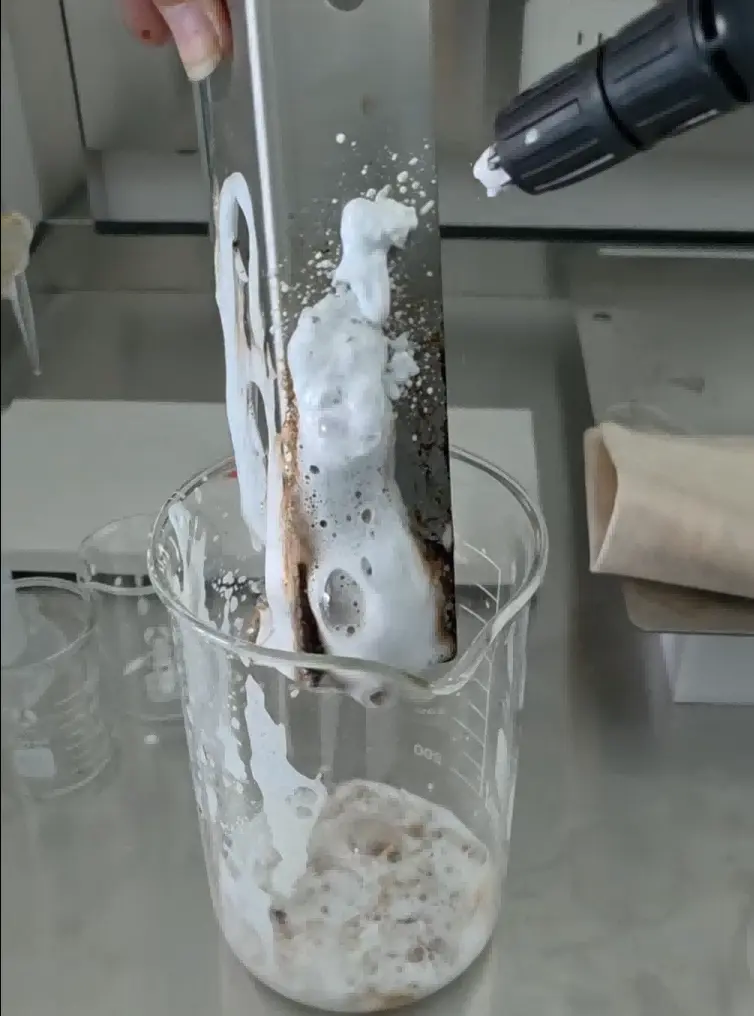
Modern cleaning products that use foam mix alkaline substances (usually sodium hydroxide or potassium hydroxide) with special foaming agents that make a stable, thick foam. This special mixture makes a thick layer of Alkaline Foam Cleaner that stays on surfaces of equipment for a lot longer than regular liquid cleaners. Because of how it's made, the foam can get to lines above, tank walls, and cracks in processing equipment where liquid solutions would normally just run off.
Mechanism of Action on Food Soils
Alkaline chemistry can break down fats and proteins, which are two of the toughest parts of food leftovers. This gives the cleaner its cleaning power. Triglycerides are broken down into water-soluble soap molecules when the foam comes into contact with sticky deposits. Protein shapes expand and separate from surfaces at the same time, which makes them easy to rinse off. This two-in-one system works really well on milk scale, beverage residues, and meat processing waste that food plants have to deal with.
Why Alkalinity Matters in Food Processing Environments
Soils that are mostly biological and high in fats, proteins, and carbs are made when food is processed. When these problems come up, alkaline cleaning products work better than neutral or acidic ones because they change biological matter that doesn't dissolve chemically into forms that do. The high pH level breaks down the chemical links that hold food residue to surfaces that come into touch with food, like stainless steel, plastic, and other surfaces. This chemical-based method works better than mechanical action alone, taking less time to do and giving better cleanliness benefits.
Safety Profile for Food-Contact Applications
When made correctly, alkaline foam goods used in the food business meet strict safety standards for contact with food in a roundabout way. If you follow the directions on the bottle, like diluting the cleaners the right way and making sure you rinse them well, they won't leave behind any dangerous leftovers. Modern formulas balance strong cleaning power with worker safety by using chemicals that are safe for the skin and reducing the damage to equipment when used properly.
Key Benefits of Using Alkaline Foam Cleaner in Food Factories
Enhanced Removal of Stubborn Organic Residues
The foam structure allows for longer touch time, which is very important for breaking up baked-on fats and protein layers. Foam sticks to surfaces for a while, giving the alkaline chemistry time to work, unlike sprays that drain away quickly. This long-term touch breaks down leftovers that might not be removed by hand, especially in processing equipment with complicated shapes. When plants use these treatments, the chances of pollution and places where pathogens can live are drastically reduced.
Superior Surface Coverage and Contact Time
Foam expansion rates make a lot of cleaning agent from a concentrated product, so it can be used on a lot of surfaces for a low cost. When put down correctly, a foam blanket covers all exposed surfaces at once, including lines in the ceiling, equipment placed on the wall, floor drains, and parts of the conveyor. This thorough coverage makes sure that no area is missed, which is a common problem with hand cleaning methods where workers might miss hard-to-reach areas when they are rushed.
Environmental Responsibility and Regulatory Compliance
Leading companies now make their goods in ways that are better for the world while still cleaning well. Biodegradable surfactants, lower phosphate levels, and concentrated recipes that lower transportation pollution are all signs that the business is moving toward being more environmentally friendly. These changes help food makers meet their environmental goals without lowering the level of cleanliness. It's easier to follow the EFSA and FDA rules for keeping food plants clean when you use certified cleaning products that are made for food production settings.
Cost-Effectiveness Through Dilution Efficiency
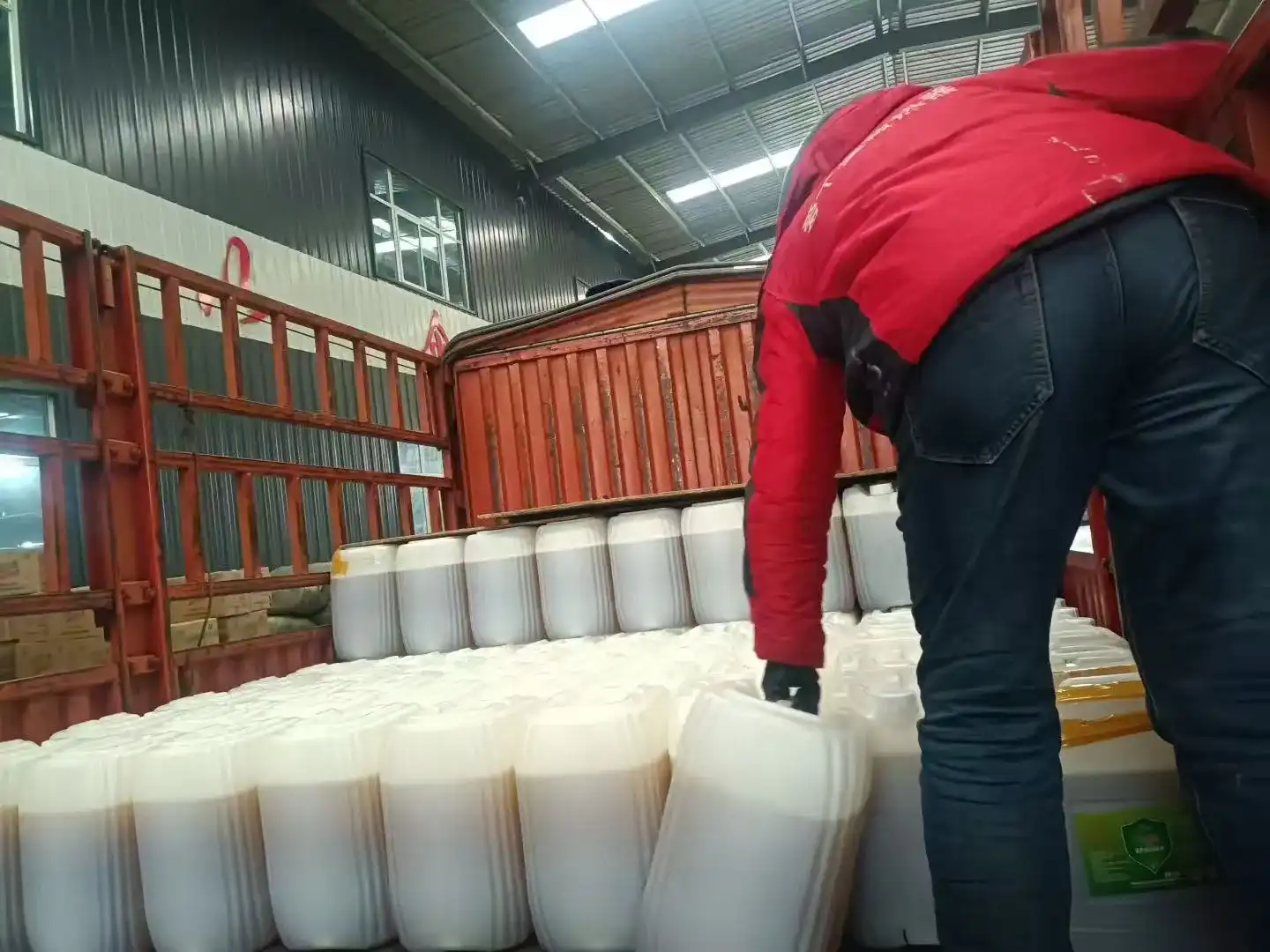
With its high-expansion foam technology, the Homey HM-10 Alkaline Foam Cleaner is a great example of good value for money. With a suggested reduction ratio of only 3–5%, a single 30KG bucket can clean a lot of surfaces. Because of this concentration, shipping costs are lower, storage room needs are lower, and businesses don't have to change containers as often. Strong adhesion qualities make sure that the active ingredients stay where they're put on instead of running off and losing product. This makes the most of the cleaning power of every litre.
Application Best Practices for Industrial Food Hygiene
Step-by-Step Application Protocol
A systematic method that gets the best results while keeping tools safe is needed for effective Alkaline Foam Cleaner application. The first step is to get rid of any big dirt by pre-rinsing or scraping. Next, make the cleaning solution using the reduction ratio suggested by the maker. For general use, this is usually 3–5%, and for CIP systems that are going after milk scale and UHT fouling, it's usually 1–2%. Using the right tools, spread foam evenly over all areas to make sure it covers everything. Allow enough time for contact, which is generally between 5 and 10 minutes based on the type of dirt and the temperature. Rinse the machine well with clean water to finish the cycle and get rid of all the foam and dust.
Optimizing Dilution Ratios for Different Applications
Dilution freedom lets you make changes based on the cleaning problems you're facing. When there is a lot of grease buildup on smokehouse equipment, stronger amounts may be needed. On the other hand, cleaning processing tables every day with lower ratios works well. The special solution made for cleaning the inside of CIP pipeline systems in the production of cheese, drinks, and beer works well. Understanding the specific needs of your building and making changes as needed can save you money and improve cleanliness.
Real-World Success in Commercial Food Operations
For a while, a medium-sized cheese processing company had trouble with inconsistent manual cleaning that kept failing checks. After using Homey solutions to set up an organised foam cleaning program, the building passed three tests in a row. The quality manager said that the foam's clarity helped make sure that the whole area was covered, and the longer contact time got rid of hard milk stone that needed to be scrubbed away with harsh machines. Cleaning got faster and easier to plan, which cut down on production breaks.
Safety and Equipment Maintenance Considerations
Personal safety tools like chemical-resistant gloves, eye protection, and protective clothes are needed by people who work with concentrated alkaline products. Vapour doesn't build up in application places where there is enough airflow. As part of normal equipment repair, foam generation systems, hoses for chemical compatibility, and dilution equipment accuracy are all checked. Alkaline cleaners work well on stainless steel, but softer metals may not be able to handle long-term exposure to high amounts. Always rinse well and quickly.
Comparing Alkaline Foam Cleaner With Alternatives for Food Industry Use
Alkaline vs. Acidic Cleaning Formulations
It can be hard to get rid of mineral layers, water scale, and rust spots in places with hard water, but acidic cleaners are great at doing it. When organic soils are the main worry, Alkaline Foam Cleaner treatments win out. Many food facilities use both types alternately, with alkaline foam being used every day to get rid of organic dirt and acid treatments being used every so often to keep minerals from building up. Instead of looking for a single "universal" answer, procurement teams can make complete cleaning plans when they understand how these two things work together.
Foam Technology vs. Liquid Spray Applications
Traditionally, liquid cleaning is done by mechanically pressing and brushing, which takes a lot of work and might miss hard-to-reach spots. Foam technology changes this equation by making covering obvious, increasing the time chemicals are in contact with the surface, and decreasing the amount of water needed. Supervisors can see that workers have treated all the necessary areas with foam, which helps with a common quality control problem that comes up in high-turnover production settings.
Enzymatic Cleaners in Food Processing Context
Enzyme-based goods use biological catalysis to remove specific types of dirt. They work well at lower temperatures and neutral pH levels. But they usually need more time to work and might not be as good at getting rid of heavy grease loads as alkaline foam. There are also differences in cost, with enzyme cleaners usually being more expensive. Most of the time, food makers only use enzymatic products for specific jobs and alkaline foam for everyday cleaning.
Selection Criteria for Procurement Decisions
Quality managers should check a number of important factors when analysing cleaning agent sources. It is very important to have food-grade approval and proof that the product meets FDA, EFSA, and REACH requirements. Having access to technical support helps fix problems with applications and make protocols work better. Supply consistency is very important for keeping cleanliness programs that are ready for audits. Economic value is more than just the unit price. It also includes things like dilution ratios, efficiency (which cuts down on work time), and equipment compliance, which keeps expensive damage from happening.
Purchasing Alkaline Foam Cleaner for Food Factories: A B2B Guide
Trusted Manufacturers and Supply Chain Partners
In the workplace hygiene market, there are both well-known global names and smaller, more specialised companies that focus on food safety. For 18 years, Homey Wonbond Biotechnology Group has worked with the food processing, cattle, and healthcare industries, learning how to make cleaning and disinfection products that work well in each. Their ISO 9001 certification, EU CE compliance, and REACH standard verification give quality management the proof they need during exams. When looking for an Alkaline Foam Cleaner supplier, businesses do better when they work with makers who offer professional help along with the product.
Bulk Purchasing Strategies and Value Assessment
Instead of just looking at per-unit prices, industrial buyers should look at the overall cost of ownership. A concentrated product that costs more up front may be worth it because it has better reduction ratios and lower freight costs. Minimum order numbers affect how inventory is managed. The 30KG barrel specification makes storing easier and helps buyers save money. Specialised manufacturers offer customisation services that let formulas be changed to fit the needs of each location. This adds value that regular goods can't match.
Certification and Compliance Verification
Safety Data Sheets, product specification sheets, and certification letters showing regulatory compliance are some of the documents that are needed for food industry hygiene programs. For European operations, international buyers need proof that the product is REACH-compliant, and for U.S. operations, they need proof that the product is FDA-acceptable. Suppliers should be able to easily give these papers along with technical data that backs up claims of effectiveness. This openness builds the trust that's needed for long-term supply ties in a field where bad health can have very bad results.
Evaluating Technical Support and Service Capabilities
Service excellence is another thing that sets great sellers apart from others. Look for partners that offer application training to help your staff learn the right way to dilute, how long to contact someone, and how to stay safe. During the execution phase, it's helpful to have expert help available remotely or on-site. Production stops when customer service is responsive and answers questions quickly. The 14-day delivery timeframe for customised goods shows how flexible the production process is in meeting the needs of each customer without causing too many delays.
Conclusion
To keep a food plant clean, you need cleaning products that you can count on to work every time, even when they are being closely inspected by auditors. Foam-based Alkaline Foam Cleaner technology is better at getting rid of organic soil in food preparation areas because it covers more surface area, stays on longer, and uses strong chemicals that are made to work with fats and proteins. Because concentrated formulations save money, make work more efficient, and help with following the rules, these items are must-haves for quality managers and plant leaders. Food processors build a basis for long-term hygiene excellence that protects both customers' and businesses' names by working with experienced producers who offer technical support along with high-quality products.
FAQ
1. Can alkaline foam cleaners be safely used on all food-contact surfaces?
Quality foam Alkaline Foam Cleaners made for food processing can be used on stainless steel, food-grade plastics, and other common materials that come into touch with food as long as they are diluted as directed and rinsed well. Always make sure that the product is compatible with the materials used in the equipment and follow the manufacturer's instructions for contact time and cleaning to make sure the application is safe.
2.How frequently should food processing facilities apply foam cleaning?
How often you clean relies on the type of work, the amount, and the rules. Some dry food businesses may not need to clean as often, but high-risk ones, like cooking raw meat, usually need to do a full cleaning every day. The right schedules are set by facility-specific HACCP plans and legal guidelines. Consistency is key. Set up regular rules and keep records of when they are followed.
3.What dilution ratio works best for different food processing applications?
General equipment cleaning, dilution ratios of 3 to 5 percent work well to get rid of organic dust in most situations. At amounts of 1% to 2%, CIP pipeline systems that are meant to remove milk scale and beverage leftovers work well. If there is a lot of dirt on the surface, the suggested amounts may need to be pushed toward the stronger end. Manufacturers like Homey Wonbond offer detailed advice on how to get the best results from dilution based on the type of dirt and the way the equipment is set up.
Partner With Homey Wonbond for Your Hygiene Solution Needs
Homey Wonbond has all the options that quality managers looking for a trusted Alkaline Foam Cleaner manufacturer need. Our HM-10 High-Foam Cleaning Agent is a great deal because it has high-expansion foam technology, low dilution ratios, and has been used successfully in dairy, beverage, meat, and fish processing plants for years. We've been making products for 18 years, have CE approval, and are fully compliant with REACH. We can meet your legal needs while also solving real-world cleaning problems. Our expert team gives both remote and on-site help to make sure that installation goes smoothly and results are at their best. Our large collection allows for quick shipping, and our 14-day custom formulation service can meet specific needs. Get in touch with our knowledgeable staff at frank@hmwbcleaning.com to talk about the cleanliness needs of your building and find out how our products can improve your food safety program with dependable, low-cost results.
References
1. Marriott, N.G., Schilling, M.W., and Gravani, R.B. (2018). Principles of Food Sanitation, 6th Edition. Springer International Publishing.
2. Lelieveld, H.L.M., Holah, J., and Gabrić, D. (2016). Handbook of Hygiene Control in the Food Industry, 2nd Edition. Woodhead Publishing Series in Food Science, Technology and Nutrition.
3. Tamime, A.Y. (2008). Cleaning-in-Place: Dairy, Food and Beverage Operations, 3rd Edition. Blackwell Publishing.
4. Wirtanen, G. and Salo, S. (2016). "Disinfection in Food Processing – Efficacy Testing of Disinfectants." Reviews in Environmental Science and Bio/Technology, Volume 15, Issue 2, pp. 273-290.
5. Holah, J.T. (2013). "Cleaning and Disinfection." In Food and Beverage Stability and Shelf Life, edited by Kilcast, D. and Subramaniam, P. Woodhead Publishing Limited.
6. Schmidt, R.H. and Erickson, D.J. (2005). "Sanitation in Food Processing Facilities." Food Safety Magazine, Institute of Food Technologists Quality Assurance Division Publication Series.
Learn about our latest products and discounts through SMS or email