- English
- French
- German
- Portuguese
- Spanish
- Russian
- Japanese
- Korean
- Arabic
- Greek
- German
- Turkish
- Italian
- Danish
- Romanian
- Indonesian
- Czech
- Afrikaans
- Swedish
- Polish
- Basque
- Catalan
- Esperanto
- Hindi
- Lao
- Albanian
- Amharic
- Armenian
- Azerbaijani
- Belarusian
- Bengali
- Bosnian
- Bulgarian
- Cebuano
- Chichewa
- Corsican
- Croatian
- Dutch
- Estonian
- Filipino
- Finnish
- Frisian
- Galician
- Georgian
- Gujarati
- Haitian
- Hausa
- Hawaiian
- Hebrew
- Hmong
- Hungarian
- Icelandic
- Igbo
- Javanese
- Kannada
- Kazakh
- Khmer
- Kurdish
- Kyrgyz
- Latin
- Latvian
- Lithuanian
- Luxembou..
- Macedonian
- Malagasy
- Malay
- Malayalam
- Maltese
- Maori
- Marathi
- Mongolian
- Burmese
- Nepali
- Norwegian
- Pashto
- Persian
- Punjabi
- Serbian
- Sesotho
- Sinhala
- Slovak
- Slovenian
- Somali
- Samoan
- Scots Gaelic
- Shona
- Sindhi
- Sundanese
- Swahili
- Tajik
- Tamil
- Telugu
- Thai
- Ukrainian
- Urdu
- Uzbek
- Vietnamese
- Welsh
- Xhosa
- Yiddish
- Yoruba
- Zulu
Foam Spray System for Food Hygiene Standards in Processing Plants
In places where food is processed, keeping things clean has never been harder—or more important. A Foam Spray System is a game-changer in the sanitation industry because it provides constant, automated cleaning that satisfies strict food safety standards while easing the workloads of quality managers, plant leaders, and EHS specialists. These high-tech cleaning solutions use high-pressure water, precise chemical dosing, and automated foam application to make a reliable sanitation protocol that lowers the risk of contamination, passes regulatory audits, and helps meat, seafood, dairy, beverage, and central kitchen facilities run more efficiently.
Understanding Foam Spray Systems in Food Processing Plants
What Makes Foam Spray Technology Essential for Modern Food Plants
Foam spray technology changes the way we clean by making thick, sticky foam that sticks to vertical surfaces, the curves of equipment, and places that are hard to get to. Foam cleaning is different from spray-and-rinse cleaning because it gives cleaning agents more time to interact with contaminants. This lets the active ingredients better remove biofilms, fats, proteins, and organic leftovers. This longer rest time directly leads to better cleaning results with less scrubbing by hand and less work being done.
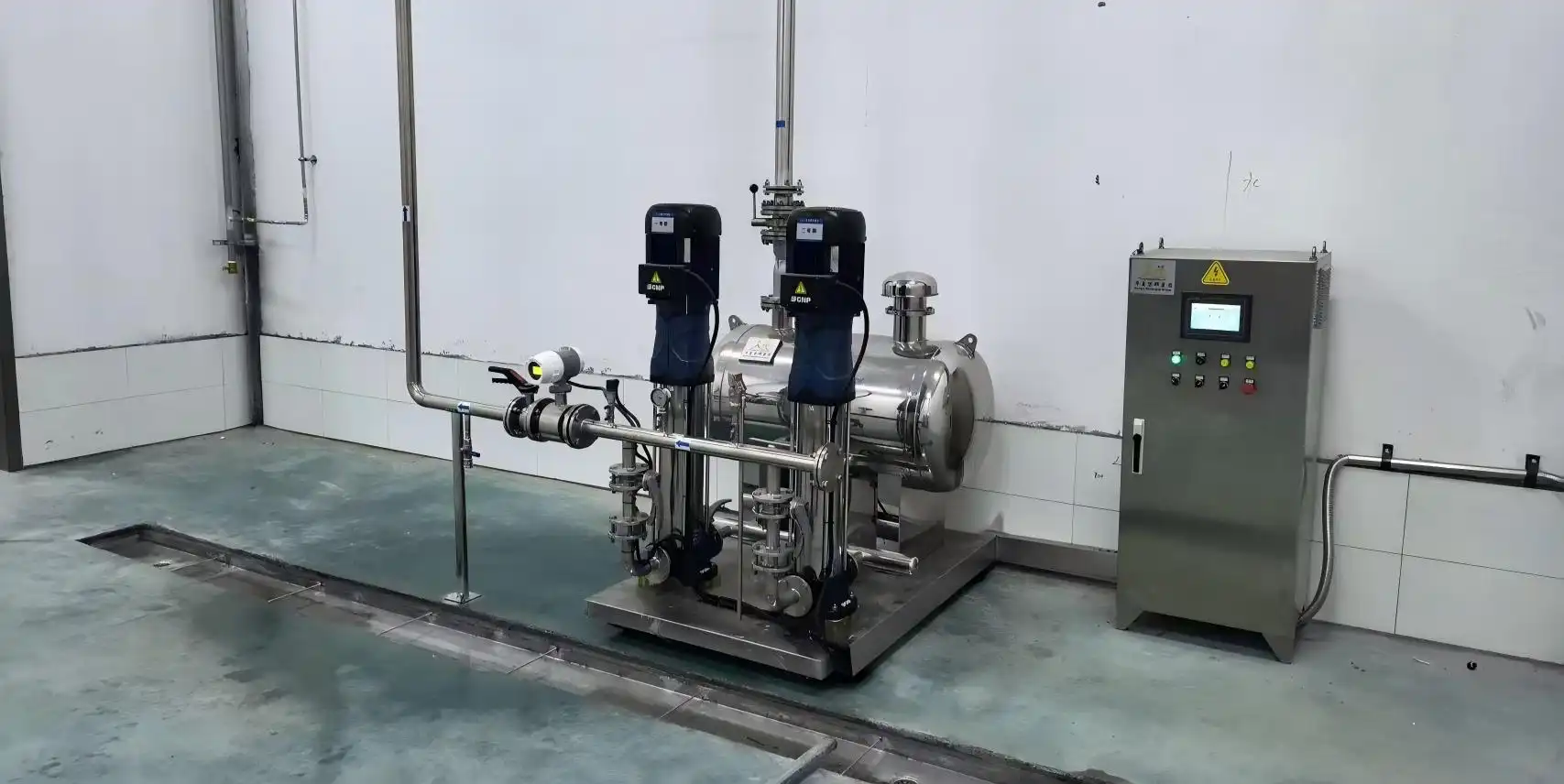
An effective Foam Spray System has three parts that work together: a high-pressure water source (15–100 bar), chemical injection systems with changeable ratios, and compressed air that mixes the chemicals and makes stable foam. When set up correctly, these systems provide consistent foam quality across multiple substations. This makes sure that every area of your building gets the same level of cleanliness, even if operators aren't always the same.
Core Benefits Driving Adoption Across Processing Facilities
Implementing a complete foam cleaning system takes care of a lot of problems at once. When foam is used instead of liquid spray, up to 30–40% less chemical is used because it spreads to cover more surface area with less concentrated product. The process of making foam needs lower flow rates while keeping high pressure, which means that a lot less water is used. This is a huge benefit when you consider rising utility costs and environmental sustainability concerns.
It is easier to follow the rules of the FDA Food Safety Modernisation Act (FSMA) and the EU's cleanliness guidelines when your cleaning procedures produce results that can be seen and repeated. Third-party inspectors need consistency, which is what automated foam systems provide through chemical ratios that can be changed and cleaning processes that can be programmed. Centralised foam cleaning methods make it easier for facilities that follow HACCP, ISO 22000, or BRC Global Standards to validate and verify their processes.
Typical Applications Throughout Processing Environments
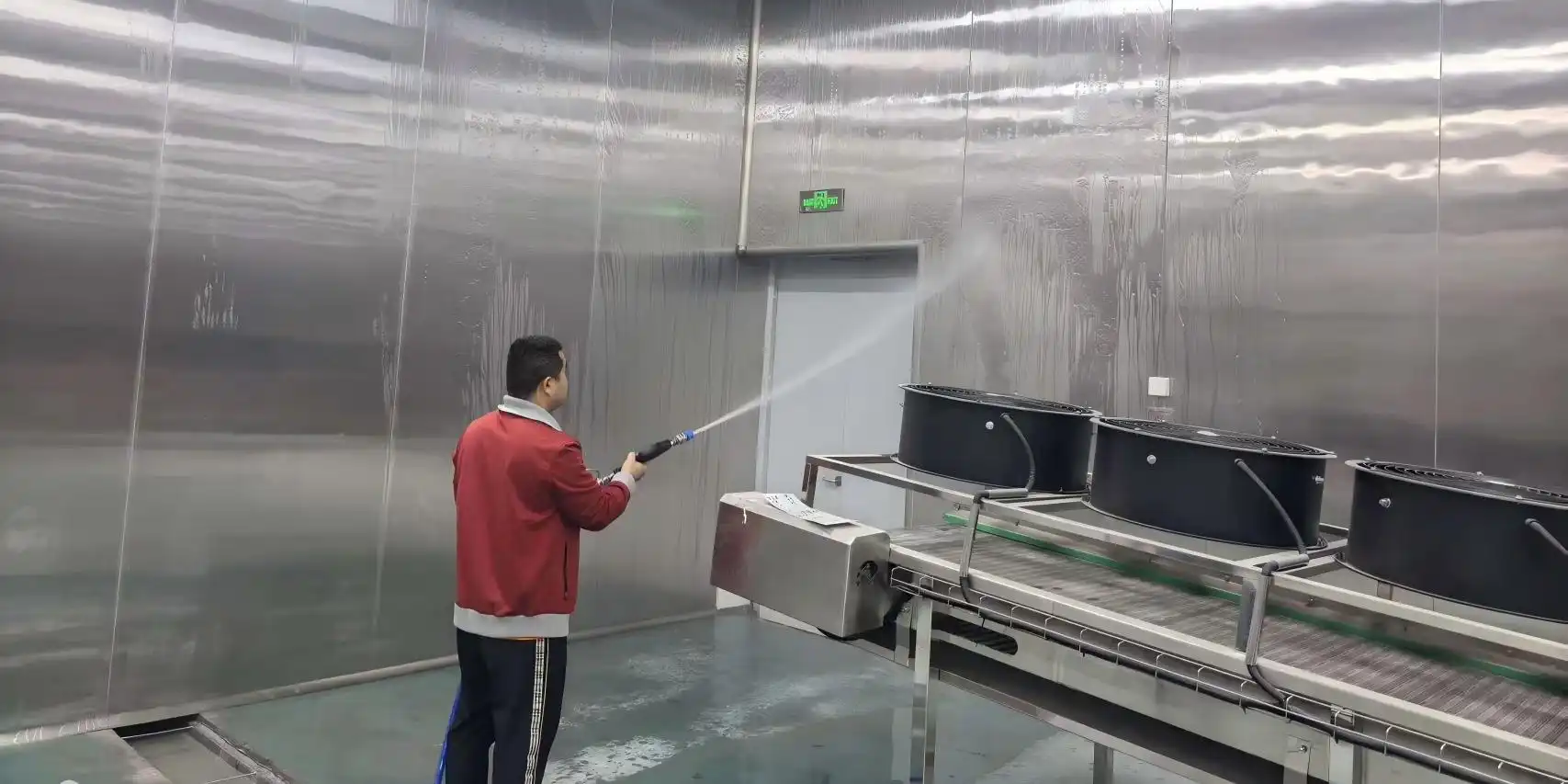
The most common use for foam cleaning is to keep equipment clean. It can be used to clean mixing bowls, conveyor systems, slicer parts, and packing machines. Foam is great for cleaning floors and walls because it can stick to tile grout, expansion joints, and rough surfaces, all of which are common places for bacteria to live. Systematic foam application that stops cross-contamination is helpful in loading docks, cooler rooms, and areas where different working areas meet.
The three-step cleaning process—rinsing to get rid of big dirt, foam cleaning to break up leftovers, and spray disinfection to get rid of germs—is exactly what the USDA and FDA require for sanitary standard operating procedures (SSOPs). When this step-by-step method is used with an automatic Foam Spray System, it builds a strong base for a strong pre-operational sanitation program.
Choosing the Right Foam Spray System for Food Hygiene Compliance
Critical Design Specifications for Food-Grade Applications
When choosing tools, material suitability is the most important thing to think about. The building of stainless steel (304 or 316 grade) protects against corrosion caused by acidic and alkaline cleaning chemicals and meets standards for safe design. All the parts that get wet, like hoses, nozzles, spray guns, and mixing tanks, need to be able to survive chemical breakdown and be cleaned every day without germs growing in cracks or porous materials.
Hygienic design rules, like those from the European Hygienic Engineering & Design Group (EHEDG) and 3-A Sanitary Standards, call for surfaces that are smooth, shapes that drain themselves, and pipes with few dead ends. A correctly defined system has quick-disconnect fittings that allow for tool-free removal. This lets the cleaning staff clean the cleaning equipment itself, which is something that is often forgotten until an audit brings it to light.
Comparing System Configurations and Capacity Planning
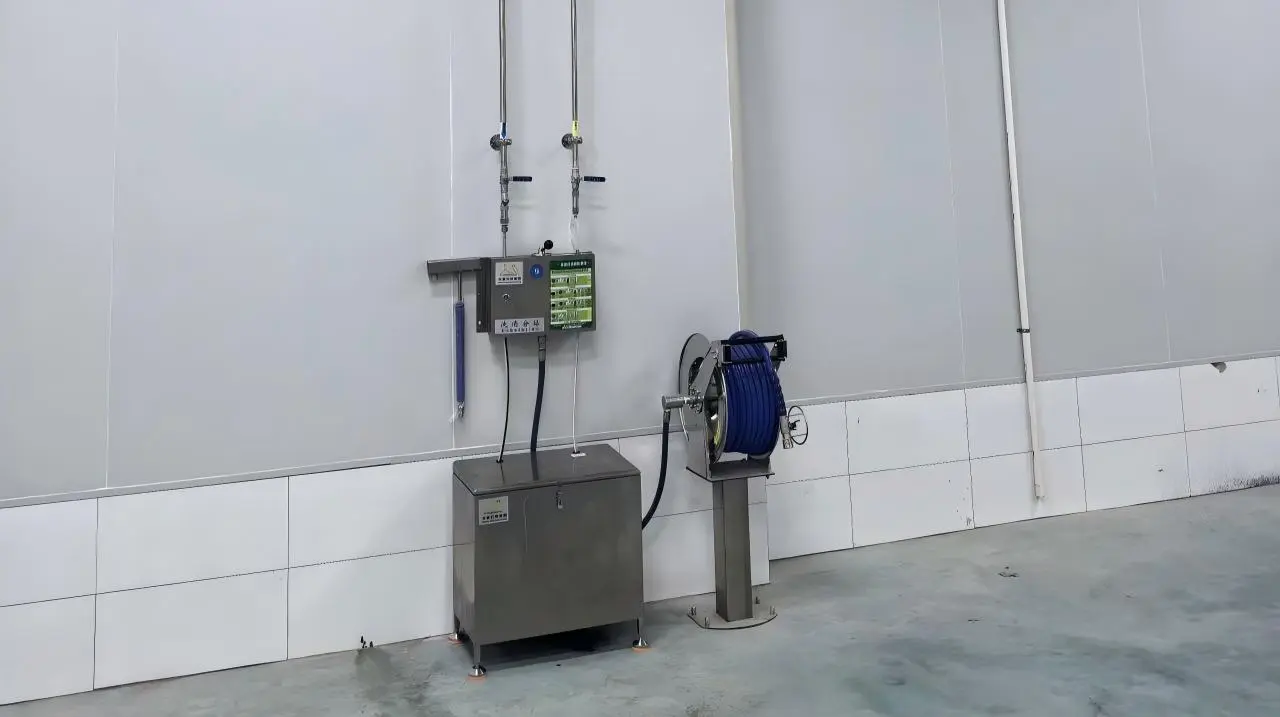
For medium to big processing plants, centralised systems with various substations are the best value. These sets ups have a main supply unit that sends water, chemicals, and compressed air to spray stations that are placed in key places through distribution lines. The number of substations you need depends on how many washing spots you have in your building. Each station comes with line reels, high-pressure pipes, spray guns and nozzles that can be switched out.
Customising the working pressure (15–100 bar range) lets you adjust the level of cleaning power to fit different tasks. For delicate surfaces like stainless steel panels, where too much force could cause cracking, lower pressures work best. Higher pressures, on the other hand, are better for getting rid of baked-on leftovers in smokehouses or protein buildup on cutting boards. Adjustable chemical ratios let workers change the foam concentration based on the soil load. They can switch between strong alkaline foams for getting rid of grease and softer pH-neutral foams for regular upkeep cleaning.
Evaluating Manufacturers and Supplier Credentials
Supplier reliability includes more than just the initial buy of tools. It also includes expert assistance, the availability of spare parts, and long-term service agreements. Established makers give you a lot of information, like methods for qualifying equipment, charts showing which chemicals are compatible, and maintenance plans that work with your preventive maintenance program. Marks of certification, like CE, show that a product meets safety and performance standards that are accepted in all foreign markets.
You can't say enough good things about after-sales help. When equipment breaks down and production plans are threatened, facilities that work continuous or multiple shifts need quick expert help. Check to see if possible providers can fix remotely, keep enough parts on hand, and provide on-site service within a reasonable amount of time for your business needs.
Best Practices for Operating Foam Spray Systems in Food Processing Plants
Implementing Sanitary Design Principles
Setting up the equipment should make cleaning the Foam Spray System system easier. Careful planning of the building layout is needed to place spray stations away from areas where they will come into direct contact with products and make sure that all handling areas are easy to get to. At each station, proper drainage keeps water from standing, which can attract pests or help microbes grow. At the same time, proper airflow controls the humidity from applying foam and keeps roof surfaces from condensing.
Teaching workers the right way to clean has a big effect on how well they clean. The best spray design stays 18 to 24 inches away from surfaces and applies foam in multiple passes from the bottom to the top of vertical surfaces. Chemicals work best when they have enough time to work (usually 5–10 minutes, but this depends on the chemical and the type of dirt) before a high-pressure clean. If you rush through this touch time, the whole cleaning process will not work as well.
Establishing Preventive Maintenance Schedules
Regularly checking for and replacing worn-out parts keeps the system running smoothly and avoids unplanned downtime. Chemical weathering and mineral layers cause spray nozzles to get bigger over time, which changes the spray patterns and foam quality. The method works as planned because it is checked every month and replaced as soon as any strange trends are seen. Similar care is needed for pump seals, O-rings, and gaskets; repair times are written down in equipment logs.
Protecting Operator Safety and Preventing Chemical Exposure
Personal protective equipment needs change depending on the chemicals, but they usually include gloves that can handle chemicals, safety glasses or face masks, rubber boots, and skirts that won't get wet. Alkaline foam cleaners are especially dangerous for the skin and eyes, and acidic cleaners used to get rid of mineral deposits need just as much protection. At each spray station, clear signs tell workers of the PPE they need to wear and how to respond to an emergency.
For safe chemical handling, storage places for strong cleaners and sanitisers must be separated, labelled according to Hazard Communication Standards, and locked so that no one else can get to them. All chemicals should have their Safety Data Sheets (SDS) easy to find, and tools to prevent spills should be carefully placed around the building. Operators are reminded of how to handle situations and what to do in an emergency through regular safety training.
Troubleshooting and Optimization of Foam Spray Systems
Diagnosing Common Performance Issues
Problems with the quality of foam show up as different textures, from foam that is too wet and slides off surfaces right away to foam that is too dry and doesn't expand enough to cover. Most of the time, these problems are caused by uneven pressure between the water and air sources. The first thing that should be done is to look for debris buildup in the Y-strainers, since partial blocks change the flow rates. At the mixing chamber, the air source pressure should stay the same. Changes in this pressure mean that there are problems with the compressor's capacity or leaks further downstream.
Nozzle blocking happens when mineral deposits from hard water, dried chemical leftovers, or pipe particles build up in spray holes. Every time you use the tip, flush it with clean water to make it last longer. Soaking it once a week in the right cleaning solution breaks down tough buildup.
Implementing Systematic Optimization Strategies
Recognizing When Professional Service Intervention Becomes Necessary
When performance keeps going down even after operators try to fix the problem, it means there are underlying hardware or system design problems that need specialised knowledge. When a pump cavitation, motor electrical faults, or control system malfunctions happen, they need diagnostic tools and expert know-how that are above and beyond what most repair workers are capable of. Getting to know qualified service providers before an accident happens helps keep production running smoothly.
Factory-trained techs do full checks once a year to find problems early on before they get worse and cause failures. During these preventive service calls, things like pressure testing, replacing seals, making sure the calibration is correct, and checking for wear on parts are done. These are all things that keep the guarantee valid and increase the life of the equipment.
Procurement Guide: Acquiring Foam Spray Systems for Food Hygiene Needs
Defining Technical Requirements and Operational Parameters
Before writing the specs, make a map of all the areas that need foam cleaning, making note of the surface types, normal dirt loads, and access issues. This poll figures out how many substations are needed and where they should be placed for the best results. Find the simultaneous usage trends, or the chance that more than one operator will be using the system at the same time, to make sure that the center supply capacity is right. Undersized systems are frustrating for workers because they don't provide enough flow or foam quality during peak usage.
An assessment of utility availability shows that the suggested equipment can use the water supply, electricity, and compressed air. Facilities that don't have enough air generator capacity will have to pay a lot more money for things other than the Foam Spray System itself. If the water source pressure and flow rates don't meet the minimums set by the maker, booster pumps will need to be used.
Evaluating Total Cost of Ownership Beyond Initial Purchase
Buying equipment is only one part of the costs that come up over its lifetime. Operating costs include the cost of chemicals, supplies (like water, power, and compressed air), replacement parts, and regular maintenance. Asking potential suppliers for detailed figures of their running costs helps you make accurate budgets and compare options in a useful way. Less expensive systems often have higher running costs because they use chemicals more inefficiently or need more upkeep than more expensive systems.
Different business and financial situations can benefit from different types of financing, such as buying the equipment directly, leasing it, or setting up pay-per-use plans. Facilities that don't have a lot of money may find lease plans appealing, even though they cost more in the long run. Cleaning chemicals that are bought in bulk along with tools can sometimes be bought at a discount, but this makes it harder to switch chemical providers in the future.
Selecting Suppliers Based on Comprehensive Criteria
Supplier selection should evaluate both technical capability and real-world experience in similar facilities. References and site visits help verify system performance, service responsiveness, and user satisfaction. Warranty coverage varies, so exclusions, response times, and parts availability must be reviewed, especially for critical operations. Professional installation ensures proper setup, hygiene compliance, and integration, while operator training improves efficiency and accelerates return on investment.
Conclusion
Using an effective hygiene management strategy based on advanced foam cleaning technology can turn cleanliness from a job that requires a lot of work into a standard, repeatable process that always meets food safety standards. Modern Foam Spray System technology features high-pressure delivery, precise chemical dosing, and long surface contact times. These features solve the main problems that food processing plants have, like inconsistent cleaning results from hand, rising regulatory pressures, and ongoing contamination risks that threaten product safety and brand reputation. By buying the right tools, setting strict rules for operations, and working with dependable providers, processing plants can be sure that their hygiene standards are protecting customers and helping them run smoothly and legally.
FAQ
1.How often should the tools used for foam cleaning be serviced?
A tiered plan is used for routine repair. As part of daily tasks, the system must be flushed after use and visually checked for damage or leaks. Cleaning the nozzles, inspecting the hoses, and checking the chemical tank level are all part of weekly upkeep. As part of the monthly routine, the spray pattern is tested, the seal is inspected, and the filter is cleaned. Every three months, tasks like checking the accuracy and fully evaluating all the parts are done. Professional service checks once a year round out the preventive repair plan. Following the instructions written by the equipment's maker will ensure that it works well and lasts a long time.
2.Can foam systems integrate with existing CIP automation?
Clean-In-Place systems and modern centralised foam cleaning setups work well together thanks to shared chemical supply lines, automated valve controls, and unified computer interfaces. Because of this integration, cleaning processes can be organised so that CIP cleans the inside of equipment and foam systems clean the outside, walkways, and environmental zones. Facilities that are going to build new things or do big repairs should design their sewage systems to work together from the start. However, retrofit integration is still possible with the right engineering help.
3.What environmental advantages do foam systems provide?
Saving water is the biggest benefit for the environment; compared to standard spray cleaning methods, this cuts water use by 40–50%. Less chemical use lowers both the amount of raw materials needed and the amount of trash that needs to be treated. Because of the focused cleaning action, harsh chemicals or high temperatures are not needed as often, which is even better for the earth. Facilities that want to get green certifications or participate in business sustainability efforts find that foam cleaning technology helps them reach their goals while also improving their operations.
Partner With Homey Wonbond for Advanced Sanitation Solutions
To improve hygiene in your processing plant, you need more than just tools. You need to work with a reliable Foam Spray System maker who knows how important it is to keep food safe. Homey Wonbond has 18 years of experience in cleaning technology, which he uses to combine smart equipment design with full service support. Our flexible systems can be used in a wide range of settings, from small central kitchens to large slaughterhouses. They have tri-function stations that provide high-pressure water, chemical ratios that can be changed, and automated foam generation through modular designs that make maintenance and expansion easier.
Our building is made of food-grade stainless steel, and water-saving technology lowers costs without lowering the efficiency of cleaning. You can be sure of the quality of the goods you buy with CE approval and compliance with international safety standards. Contact frank@hmwbcleaning.com today for a tailored assessment of your facility's sanitation needs, including free consultation, system sizing recommendations, and detailed quotations. We deliver complete solutions encompassing equipment supply, professional installation, operator training, and ongoing technical support—everything necessary to transform your hygiene management from a daily challenge into a competitive advantage.
References
1. Schmidt, R.H. & Erickson, D.J. (2019). Sanitary Design and Construction of Food Processing Equipment. Food Safety Engineering Series, Institute of Food Technologists Press.
2. Marriott, N.G., Schilling, M.W. & Gravani, R.B. (2018). Principles of Food Sanitation (6th Edition). Springer Publishing, Food Science Text Series.
3. European Hygienic Engineering & Design Group (2021). Guidelines for Hygienic Equipment Design Criteria. EHEDG Technical Document 8, Frankfurt, Germany.
4. Lelieveld, H.L.M., Holah, J.T. & Gabrić, D. (2020). Handbook of Hygiene Control in the Food Industry (2nd Edition). Woodhead Publishing Series in Food Science.
5. United States Department of Agriculture, Food Safety and Inspection Service (2020). Sanitation Performance Standards Compliance Guide. FSIS Directive 5000.1, Washington, DC.
6. International Association for Food Protection (2022). Cleaning and Sanitizing in Food Processing Operations: Best Practices and Emerging Technologies. IAFP Technical Report Series, Des Moines, Iowa.
Learn about our latest products and discounts through SMS or email