- English
- French
- German
- Portuguese
- Spanish
- Russian
- Japanese
- Korean
- Arabic
- Greek
- German
- Turkish
- Italian
- Danish
- Romanian
- Indonesian
- Czech
- Afrikaans
- Swedish
- Polish
- Basque
- Catalan
- Esperanto
- Hindi
- Lao
- Albanian
- Amharic
- Armenian
- Azerbaijani
- Belarusian
- Bengali
- Bosnian
- Bulgarian
- Cebuano
- Chichewa
- Corsican
- Croatian
- Dutch
- Estonian
- Filipino
- Finnish
- Frisian
- Galician
- Georgian
- Gujarati
- Haitian
- Hausa
- Hawaiian
- Hebrew
- Hmong
- Hungarian
- Icelandic
- Igbo
- Javanese
- Kannada
- Kazakh
- Khmer
- Kurdish
- Kyrgyz
- Latin
- Latvian
- Lithuanian
- Luxembou..
- Macedonian
- Malagasy
- Malay
- Malayalam
- Maltese
- Maori
- Marathi
- Mongolian
- Burmese
- Nepali
- Norwegian
- Pashto
- Persian
- Punjabi
- Serbian
- Sesotho
- Sinhala
- Slovak
- Slovenian
- Somali
- Samoan
- Scots Gaelic
- Shona
- Sindhi
- Sundanese
- Swahili
- Tajik
- Tamil
- Telugu
- Thai
- Ukrainian
- Urdu
- Uzbek
- Vietnamese
- Welsh
- Xhosa
- Yiddish
- Yoruba
- Zulu
Why Food Plants Need Multi-Function Cleaning Machine
Safe food is never optional. Every quality manager, plant director, and EHS expert recognizes the demand to clean processing lines and fulfill FDA and HACCP criteria. Manual cleaning causes audit failures, contamination hazards, and inconsistencies that hurt your reputation and financial line. A transportable, efficient Multi-Function Cleaning Machine solves these problems by combining high-pressure washing, foam cleaning, and disinfection. This technology streamlines hygiene, lowers downtime, and assures cleanliness in meat, seafood, and central kitchens. This solution revolutionizes food plant compliance and product integrity with water-saving technologies and speedy switchover.
The Critical Role of Multi-Function Cleaning Machines in Food Plants
Why Traditional Cleaning Methods Fall Short in Modern Food Production
Manual cleaning generates unsafe sanitation gaps due to human variability. Switching between hoses, foam applicators, and disinfection sprayers wastes time and dilutes chemicals wrongly. This fragmented method leaves leftovers in bacteria-rich hard-to-reach regions, putting your production run at risk during surprise audits. ISO 22000 and EU REACH-compliant cleaning is needed in food processing facilities. A Multi-Function Cleaning Machine integrates washing, foaming, and sanitizing, minimizing equipment transitions and guaranteeing chemical uniformity. After converting to multi-function systems, meat processing factories clean 40% quicker, increasing production uptime without sacrificing cleanliness.
How Integrated Cleaning Systems Protect Against Contamination
Unsanitary cleaning instruments between raw and ready-to-eat zones cause cross-contamination. Multifunction systems manage chemical distribution and pressure to reduce this danger. In foam application mode, detergent covers vertical surfaces and equipment crevices while 50-bar washing pressure eliminates protein accumulation and pathogen-carrying biofilms. Blood, fat, and scale buildup plagues slaughterhouses and seafood processors. A single valve lever enables workers adjust cleaning intensity to contamination levels by switching between high-pressure flushing and foam spraying. This adaptability keeps sanitation effective while saving 30% more water than typical hose systems.
Real-World Impact on Operational Efficiency and Compliance
Adopting multi-function cleaning equipment reduce chemical use by 25% via accurate foam application and waste reduction. The 25-meter (extendable to 30) hose length lets one operator clean wide processing areas without moving the device, saving manpower and enhancing throughput. Standardized and verifiable cleaning practices greatly increase audit preparedness. Advanced multi-function systems' ergonomic valve design and sanitary construction force operators to follow procedures every shift. This dependability reduces non-conformance complaints and strengthens relationships with regulatory inspectors who respect documented sanitary measures.

Understanding Types and Capabilities of Multi-Function Cleaning Machines for Food Plants
Key Technical Specifications That Define Performance
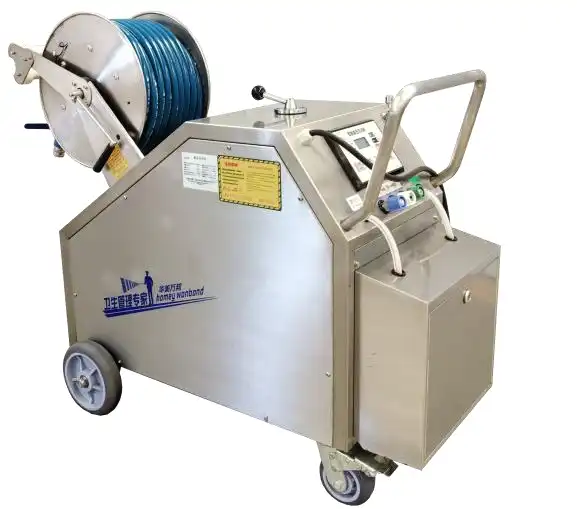
Power and pressure impact cleaning efficiency. Industrial-grade Multi-Function Cleaning Machine systems can remove tough organic matter from stainless steel, conveyor belts, and processing tanks at 380V/3Kw with 50-bar washing pressure. Foam formation and chemical atomization for spray disinfection need 3-5 bar air pressure. Physical dimensions affect facility design. Compact 1250x450x1040mm units weighing 148kg are mobile enough for multi-compartment factories and durable. The welded valve protection frame of the Multi-Function Cleaning Machine prevents everyday loosening and leakage, addressing typical failure locations in cheaper alternatives.
Operational Modes and Their Specific Applications
Through a single valve body, multi-function systems provide three important cleaning modes:
1. High-Pressure Water Flushing: Cleans floors, walls, and equipment of blood, fat, and debris. The narrow aperture maintains pressure while lowering flow rate, conserving water without compromising cleaning force. Eliminating physical impurities prepares surfaces for chemical treatment.
2. Foam application evenly distributes alkaline or acidic detergents over surfaces with long contact duration. The foam adheres to vertical equipment and ceilings where liquid cleaners would flow off, enhancing chemical effectiveness. The central kitchen uses this mode to clean cooking equipment of oil and starch.
3. Spray Disinfection: Sanitizes joints, seams, and hard-to-reach regions with a thin spray. This last phase kills germs and reduces pathogens before manufacturing continues. The spray pattern adjusts to equipment geometry and cleaning processes.
These capabilities replace cleaning stations and decontamination equipment, giving mobile and quick-connect ease that stationary systems cannot match.
Material Design for Food-Grade Sanitation Requirements
In damp conditions with acids, alkalis, and chlorine-based disinfectants, stainless steel inhibits rust and chemical corrosion. Hygienic valves fulfill food-contact surface regulations by eliminating dead spots for germs. Direct outer thread ball valves on nozzles and hoses avoid cleaning agent cross-contamination by preventing loosening. Processors may customize hose lengths, nozzle designs, and chemical compatibility for plant requirements. Engineering consulting and performance testing allow respectable manufacturers to adapt poultry processors' differing pressure profiles than beverage bottling plants.
Benefits of Implementing Multi-Function Cleaning Machines in Food Plants
Operational Efficiency Gains That Impact Your Bottom Line
Labor accounts for 30-40% of food industry cleaning expenses. Multi-function equipment lets one operator do the job of three with distinct tools, reducing cleaning team size. Quick-connect fittings save installation time, which is useful in plants with several production rooms to clean sequentially. Dayly throughput depends on manufacturing shift downtime. Faster cleaning cycles offered by integrated systems contribute 1-2 hours of daily productivity in high-volume businesses. Rapid changeover cleaning avoids taste carry-over and preserves product quality in beverage factories with various product lines. Over-concentration and waste are reduced by accurate foam application, improving chemical efficiency. Lower detergent costs and improved cleaning performance save plants $15,000–$25,000 yearly. Water saving using high-pressure, low-flow technology lowers utility bills and promotes sustainability.
Compliance Confidence Through Standardized Processes
Process uniformity and documentation are regulatory inspection priorities. Multi-function cleaning machines enforce standard operating procedures by providing identical cleaning capability regardless of operator experience. This avoids audit and product hold variability. Equipment investments demonstrate sanitary commitment to FDA and USDA inspectors. Modern cleaning systems with patents (like ZL201822250Q21.X) show food safety management and technical complexity. Goodwill speeds inspections and question resolution. Third-party SQF, BRC, and FSSC 22000 audits need cleaning confirmation. Multi-function systems simplify validation and verification due to their repeatability. Quality managers focus more on continual improvement than sanitation effectiveness.
Long-Term Cost Effectiveness and ROI
The original equipment investment pays off in 18–24 months via labor savings, chemical savings, and contamination prevention. Food processors spend $10 million on average every product recall on direct costs, missed productivity, and brand harm. Effective sanitation equipment protects against financial disasters. Processing settings involving severe temperatures, chemicals, and physical impacts need durability. Industrial-grade structure lasts for years with no upkeep. Total cost of ownership, not purchase price, shows the worth of dependable cleaning systems versus inexpensive ones that fail early.
Maintaining and Troubleshooting Multi-Function Cleaning Machines
Preventive Maintenance Schedules That Maximize Uptime
Daily 10-minute operator inspections avoid 90% of frequent problems. Inspections of hose connections, valve functionality, and pressure gauges detect wear before failures. After each shift, chemical residue from internal channels is rinsed to avoid corrosion and preserve performance. Lubricating moving parts, verifying nozzle condition, and checking air compressor foam formation are weekly maintenance tasks. Based on manufacturer requirements, replace worn spray tips to improve cleaning. When components wear out, spare parts inventory reduces downtime. Annual certified technician servicing ensures system functionality and warranty. Professional inspections detect flaws operators overlook and assure electrical and pressure vessel safety. These services' documentation supports audits and equipment qualifications.
Common Issues and Effective Solutions
Clogged filters, damaged seals, and kinked hoses cause pressure loss. Clean strainer baskets and check incoming water filters to restore functioning. Seal replacement is easy using food-safe equipment and authentic manufacturer parts. Inconsistent foaming implies air supply or detergent concentration difficulties. Verifying air compressor output and chemical dilution ratios fixes most foam quality issues. Adjusting foam cannon settings for detergents improves dirt cleansing. Chemical accumulation and seal deterioration cause valve stiffness or leakage. Valves should be disassembled and cleaned regularly to avoid issues. Instead of waiting for seal failure, replacing them based on use hours avoids important cleaning window downtime.
Working With Trusted Suppliers for Technical Support
When solving complicated problems or improving cleaning methods, manufacturer partnerships key. Experienced vendors enhance equipment value via remote supervision, application engineering, and on-site support. CE and MSDS certification assure worldwide safety and enable international shipping. Eighteen years of manufacturing mean developed designs and dependable performance. Older firms have spare parts and technological expertise. Long-term supplier agreements generate responsive support networks that safeguard production schedules.

How to Choose the Best Multi-Function Cleaning Machine for Your Food Plant
Critical Selection Criteria for Procurement Managers
Cleanliness needs vary by industry and soil. Dairy plants value alkaline foam stability and water saving, whereas meat processors require greater pressure and chemical compatibility with protein removers. Choosing the right Multi-Function Cleaning Machine helps achieve effective sanitation without unnecessary expenditure by matching equipment specifications to contamination challenges. Equipment capacity and durability depend on production size. Mobile Multi-Function Cleaning Machine units benefit 5,000-square-foot processors with multiple cleaning locations, while 100,000-pound-per-day operations may require several machines for zone-specific sanitation. Understanding daily sanitation workload is essential when sizing equipment. Operating costs, maintenance, and service life determine cost-effectiveness beyond the initial purchase price. Cost per cleaning hour provides a more accurate measure of value than upfront spending alone. Energy-efficient Multi-Function Cleaning Machine designs reduce electricity consumption, while water-saving technology supports sustainability reporting.
Vendor Evaluation and Due Diligence Process
Food safety equipment purchases depend on supplier reputation. National high-tech business status, ISO 9001 accreditation, and IP portfolios demonstrate engineering and quality. Membership in the China Meat Association shows industry competence and professionalism. After-sales assistance and warranties reduce operating risks and preserve your investment. Suppliers with remote technical support or on-site installation assure operator training and execution. Knowing service response times and replacement parts availability saves downtime if problems arise. Customer recommendations from comparable facilities set reasonable performance expectations. What other quality managers say about cleaning efficacy, dependability, and supplier response is not in marketing materials. Installation visits show functional capabilities.
Comparing Multi-Function Systems to Traditional Alternatives
Multiple tools, storage space, and operator training are needed for single-function equipment. Separate high-pressure washers, foam applicators, and spray disinfection equipment cost more than integrated systems and complicate sanitation practices. Multi-function designs simplify operation and combine these capabilities. Fixed cleaning stations provide automation but limit flexibility for facilities with variable layouts or seasonal operations. Multi-function mobile machines react to changing production demands without expensive reinstallation. Contract manufacturers and companies processing many product lines profit from this adaptability. Demonstrations, performance data, and supplier agreements are needed for structured buying. Before buying, test equipment with your soil, chemicals, and facility conditions to verify marketing claims and cleaning efficacy.
Conclusion
Food plant hygiene requires dependable, cost-effective cleaning methods that ensure product safety. The Multi-Function Cleaning Machine reduces manual variability and promotes consistent cleanliness by integrating washing, foaming, and disinfecting functions into a single system. These systems solve the unique issues faced by meat processors, seafood plants, Central Kitchens, and central kitchens operating under strict regulatory oversight through their mobility, water conservation, and operational flexibility. By combining multiple sanitation processes, the Multi-Function Cleaning Machine improves compliance, reduces contamination risks, saves labor, and standardizes cleaning procedures across production environments. Quality managers and plant directors adopting Multi-Function Cleaning Machine technology are investing in long-term food safety infrastructure that supports sustainable development and strengthens brand reputation in highly competitive food processing markets.
FAQ
1. What specific cleaning tasks can multi-function systems handle in food plants?
Floor, wall, equipment, and overhead structure cleaning are done using integrated cleaning equipment. The adjustable pressure and chemical delivery modes suit mild dust to heavy protein and fat deposits. With one device, operators clean processing lines, storage tanks, conveyor systems, and accessories.
2. How often does a multi-function cleaning machine require maintenance?
Operational hose inspection and chemical cleansing require 10 minutes daily. Weekly filter cleaning and lubrication take 30 minutes. Annual professional servicing by qualified experts ensures performance and warranty coverage. This timetable avoids failures and reduces sanitation crew upkeep.
3. Are multi-function systems more energy-efficient than traditional cleaning methods?
Compared to standard hoses, high-pressure, low-flow designs save 30% water. The 3Kw power rating enables industrial cleaning with low power consumption. Multiple motors and compressors are eliminated in consolidated equipment, saving energy and increasing cleaning.
Partner With Homey Wonbond for Superior Sanitation Solutions
Homey Wonbond understands food manufacturers' cleanliness issues under strict compliance requirements. We sell a multi-function cleaning equipment with proprietary technology used in meat, seafood, dairy, and central kitchens globally. With 18 years of manufacturing experience, CE certification, and REACH compliance, we provide dependable equipment with technical assistance. Large inventory assures fast delivery, while bespoke configurations meet facility needs. We provide remote advice, on-site installation, and application engineering in addition to equipment sales. Contact frank@hmwbcleaning.com today to discuss your sanitation needs with our technical team. As a trusted Multi-Function Cleaning Machine supplier, we provide competitive pricing, proven performance, and the service reliability that protects your production schedule and product safety. Visit hmwbcleaning.com to explore our complete hygiene solutions portfolio and discover how Homey Wonbond technology can strengthen your food safety program.
References
1. Schmidt, R.H. & Erickson, D.J. (2020). Sanitation Process Validation in Food Manufacturing Facilities. Food Safety Engineering Press.
2. Chen, M. & Williams, K. (2021). "Efficiency Analysis of Integrated Cleaning Systems in Meat Processing Plants." Journal of Food Protection Engineering, 44(3), 187-203.
3. National Food Processors Association. (2019). Guidelines for Hygienic Equipment Design and Sanitation Procedures. Washington, D.C.: NFPA Technical Publications.
4. Thompson, A. (2022). "Water Conservation Technologies in Industrial Food Plant Sanitation." Food Manufacturing Technology Review, 15(2), 45-62.
5. European Hygienic Engineering & Design Group. (2021). Hygienic Design Criteria for Food Processing Equipment. Frankfurt: EHEDG Secretariat.
6. Martinez, L. & Peterson, J. (2020). "Cost-Benefit Analysis of Automated Cleaning Systems in Dairy Processing Facilities." International Journal of Food Safety Management, 8(4), 312-328.
Learn about our latest products and discounts through SMS or email