- English
- French
- German
- Portuguese
- Spanish
- Russian
- Japanese
- Korean
- Arabic
- Greek
- German
- Turkish
- Italian
- Danish
- Romanian
- Indonesian
- Czech
- Afrikaans
- Swedish
- Polish
- Basque
- Catalan
- Esperanto
- Hindi
- Lao
- Albanian
- Amharic
- Armenian
- Azerbaijani
- Belarusian
- Bengali
- Bosnian
- Bulgarian
- Cebuano
- Chichewa
- Corsican
- Croatian
- Dutch
- Estonian
- Filipino
- Finnish
- Frisian
- Galician
- Georgian
- Gujarati
- Haitian
- Hausa
- Hawaiian
- Hebrew
- Hmong
- Hungarian
- Icelandic
- Igbo
- Javanese
- Kannada
- Kazakh
- Khmer
- Kurdish
- Kyrgyz
- Latin
- Latvian
- Lithuanian
- Luxembou..
- Macedonian
- Malagasy
- Malay
- Malayalam
- Maltese
- Maori
- Marathi
- Mongolian
- Burmese
- Nepali
- Norwegian
- Pashto
- Persian
- Punjabi
- Serbian
- Sesotho
- Sinhala
- Slovak
- Slovenian
- Somali
- Samoan
- Scots Gaelic
- Shona
- Sindhi
- Sundanese
- Swahili
- Tajik
- Tamil
- Telugu
- Thai
- Ukrainian
- Urdu
- Uzbek
- Vietnamese
- Welsh
- Xhosa
- Yiddish
- Yoruba
- Zulu
Where to buy quaternary ammonium sanitizers online
When it comes to buying disinfection solutions for industrial use, procurement managers frequently inquire where to get quaternary ammonium sanitizers online that fulfill strict compliance requirements and give dependable results. The key is to work with reputable manufacturers that provide verified goods, supply chain transparency and full technical support. Professional grade quat-based disinfectants are accessible in the United States via specialist industrial suppliers, direct manufacturer channels and certified B2B platforms that provide pharmaceutical firms, healthcare institutions, food processing plants and animal operations.
Understanding Quaternary Ammonium Sanitizers
What Are Quat-Based Disinfectants?
Quaternary ammonium sanitizers are a class of positively charged chemicals that are intended to penetrate the cell membrane of a microbe and disrupt it. This system destroys a broad spectrum of pathogens including bacteria, viruses, fungus but is not as aggressive as chlorine based systems. Because of the composition of them, these quaternary ammonium sanitizers may leave a protective coating on surfaces they’ve been employed on. This means you can go longer between cleaning operations and minimize the chance of contamination.
How Quats Compare to Other Disinfectants
Unlike alcohol-based cleaners that dry out quickly or bleach solutions that damage delicate equipment, quaternary ammonium sanitizers kill germs for a long time with little damage to the surface. Because they don't corrode, they can be used with stainless steel processing equipment, plastic conveyor parts, and lab tools made of glass. The low toxicity profile makes them safer for the workplace compared to strong chemicals, so they can be used in places where people will be working closely with treated surfaces.
Why Industrial Operations Prefer Quat Sanitizers
They are popular in food preparation factories since they are working with HACCP criteria and have food grade requirements. Biosecurity is how slaughterhouses protect illness from spreading. Healthcare facilities are evaluated on how successfully they destroy diseases and leave no toxic leftovers behind. One solution may cover a variety of cleaning demands across a facility, with versatility in the manner it can be applied. It can be used as foam for vertical surfaces, as a spray for broad areas, or soaking for utensils.
Key Considerations When Buying Quaternary Ammonium Sanitizers Online
Verifying Product Certifications and Compliance
Getting authorization from the government is the first step in responsible purchasing. Quality managers must ensure that vendors provide evidence of compliance with EPA registration requirements, FDA food-contact approvals and foreign standards such as EU REACH. These certificates prove that the quaternary ammonium sanitizer has been thoroughly tested to ensure that it is safe for the environment, effective against microorganisms and will not damage materials. Products that fulfill ISO manufacturing standards ensure the quality of the recipe is the same from one production batch to the next.
Assessing Supplier Credibility and Track Record
Making sure that suppliers of quaternary ammonium sanitizer can be trusted keeps you safe from fake goods and keeps the supply chain running smoothly. Plant managers should judge producers by their track record in the field, their ability to produce goods, and the number of satisfied customers they have in the same industry. Companies that have been working with biotechnology for 18 years, like well-known groups that serve the meat processing and dairy industries, have shown that they are experts in the field. Long-term relationships can be trusted when manufacturing sites, quality control methods, and expert support skills are checked.
Evaluating Concentration and Application Efficiency
To figure out how cost-effective something is, you need to know how to calculate coverage and reduction rates. A quaternary ammonium sanitizer with a 0.4-1% dilution ratio means that a 25KG barrel covers a lot of area when properly diluted, which greatly lowers the cost per application. When procurement teams figure out the total cost of ownership, they should look at how efficient the system is, how much space it needs, and how much time it saves by being able to use more than one method. Products with one recipe that can be used for foam cleaning, spray sanitizing, and soaking make keeping track of supplies easier.
Comparison of Popular Quaternary Ammonium Sanitizer Options on the Market
Concentrated Formulas Versus Ready-to-Use Solutions
For high-volume processes, concentrated quaternary ammonium sanitizers are the best value. When you buy 25KG barrels in bulk, you save money compared to ready-to-use products and can also change the dilution rates to meet unique contamination problems. When central kitchens handle a lot of food, they can make foam cleaning solutions for equipment while keeping different dilutions for wiping down surfaces. For sealed concentrates, the longer shelf life of 24 months helps with strategic stocking planning without lowering the quality.
Specialized Variants for Industry-Specific Requirements
Formulations need to be customized for each operating setting. Food processing plants need quaternary ammonium sanitizers that are safe for food and don't leave any dangerous residues on surfaces that come into touch with food. Pharmaceutical cleanrooms need formulas with low particulate matter that won't hurt air quality standards. Animal hospitals give more weight to goods that are highly resistant to certain pathogens. Some companies make it possible for buying managers to choose the concentrations of active ingredients, the way the products are packaged, and even the private labels for integrated system providers.
Comparing Performance Against Alternative Sanitizers
Alcohol-based disinfectants don't stay very long, since they evaporate fast, so you have to keep reapplying them. Chlorine-containing bleach solutions attack rubber gaskets and stainless steel causing higher maintenance costs. Peracetic acid formulations are corrosive and should be handled with caution. Quaternary ammonium sanitizers are the better option for everyday cleaning in areas where equipment life and worker health are of concern. They have good microbe-killing ability, and are safe for workers and materials.
Where and How to Buy Quaternary Ammonium Sanitizers Online
Direct Manufacturer Sourcing Advantages
If you buy straight from makers, you avoid middlemen's markups and know that the product is real. Well-known biotechnology companies with production sites that are all connected offer clear supply lines, from where the raw materials come from to how they are packaged at the end. Direct relationships make it possible to talk about customization, get technical advice on application protocols, and get priority access during times of high demand. When a manufacturer has global logistics partnerships, they can offer cheap freight rates for both domestic and foreign orders. For custom formulations, delivery times are usually within 14 working days.
Navigating B2B Industrial Marketplaces
Online platforms that connect industrial buyers with verified suppliers make it easy to compare prices for quaternary ammonium sanitizer, but procurement professionals need to be careful. Verified seller marks, uploading certifications, and customer reviews can all help you find reliable sources. But specialized hygiene solution providers often offer better value by providing all-around help that general markets can't match. Technical advice on dilution procedures, equipment compatibility checks, and help with regulatory compliance are all good reasons to build relationships with specialized makers instead of transactional marketplace sellers.
Bulk Purchasing Strategies for Supply Chain Optimization
By committing to a certain amount of goods, you can get better prices and make sure that you have enough stock during production rounds. Before negotiating annual supply agreements with set delivery times, EHS managers should figure out how much is being used on a regular basis. You can get more discounts if you buy quaternary ammonium sanitizers along with other hygiene products that work well together, like foam applicators, high-pressure washers, or automated CIP systems. Reliable suppliers keep standard formulations in stock so they can ship right away, and they can also accommodate custom orders within reasonable production windows.
Best Practices for Procurement and Usage
Matching Product Selection to Operational Requirements
Food preparation lines that handle meat and fish need cleaners that kill Listeria and Salmonella and are also compatible with organic acids for use in acidic food environments. Formulas that don't foam up are needed in dairy farms so they can work with CIP systems and hard water. Slaughterhouses prefer formulas that work quickly and can be used on short notice. By tailoring the quaternary ammonium sanitizer to specific microbial challenges and equipment materials, you can avoid both using too little or too much, which would be ineffective or wasteful.
Implementing Proper Storage and Handling Protocols
A quaternary ammonium sanitizer must be stored under controlled conditions to maintain its efficacy. Concentrates must be stored in cool, dry conditions, packed away from direct sunlight to preserve the 24-month shelf life. Active solutions lose their efficacy over time when diluted and must be reformulated for each cycle of application. Staff are trained to dilute chemicals using calibrated measurement equipment, not guessing, to ensure consistent antimicrobial efficacy. Safety data sheets assist users pick the correct personal protective equipment, but because excellent quaternary ammonium sanitizers are non-toxic and non-corrosive, there are less safety concerns.
Establishing Supplier Performance Metrics
Excellence in procurement goes beyond making the initial purchase decision and includes ongoing evaluation of vendors. Quality managers should keep an eye on things like the percentage of on-time deliveries, how consistent the product is between runs, how quickly technical questions are answered, and how accurate the paperwork is. Supplier approvals are checked on a regular basis to make sure they are still in line with changing rules. Building relationships with manufacturers that offer technical support 24 hours a day, seven days a week, including remote guidance and on-site installation help, adds value that goes beyond just looking at the price of the product.
Conclusion
When shopping online for quaternary ammonium sanitizers that work, you have to find a balance between product quality, supplier reliability, and operational compatibility. For buying strategies to work, they need to focus on qualified producers with a track record of success in the industry, clear compliance paperwork, and full technical support. By learning about how well dilution works, comparing concentrated and ready-to-use choices, and checking out suppliers' delivery history and ability to make changes, procurement pros can find hygiene solutions that keep products safe while lowering costs. Building ties with specialized manufacturers pays off in the form of reliable supply, trust from regulators, and access to knowledge that generic sellers can't offer.
FAQ
1. What certifications should I verify when purchasing quat-based disinfectants?
Look for EPA registration that backs up claims of antibiotic effectiveness, FDA approval for food-contact surfaces in processing areas, and EU REACH compliance that shows chemicals are safe. ISO 9001 approval shows that a company has a quality management system, and CE marking shows that the product meets European safety standards. Manufacturers with a good reputation give full paperwork, such as MSDS sheets and test reports from a third party that confirm the pathogen kill rates.
2. How do bulk purchasing options reduce operational costs?
When used one time, concentrated formulas in 25KG barrels are much cheaper than ready-to-use products. The dilution ratio of 0.4 to 1% means that each barrel covers a lot of ground. Tiered pricing can be used when volume commitments are made, and consolidated shipments can lower freight costs. Planning your supplies strategically and working with dependable sources will keep you from having to place expensive rush orders in an emergency.
3. Are quaternary ammonium sanitizers as effective as newer UV or plasma technologies?
Quaternary ammonium sanitizers use chemicals to kill germs and leave behind a protective film that UV light can't do because UV only kills germs while it's active, not afterward. UV is used to clean air and water, and quaternary ammonium sanitizers are used to clean surfaces and equipment. Because quaternary ammonium sanitizers are cheap and work with a lot of different materials, they are necessary for daily surface sanitation in industrial facilities.
Partner with Homey Wonbond for Certified Quaternary Ammonium Sanitizer Supply
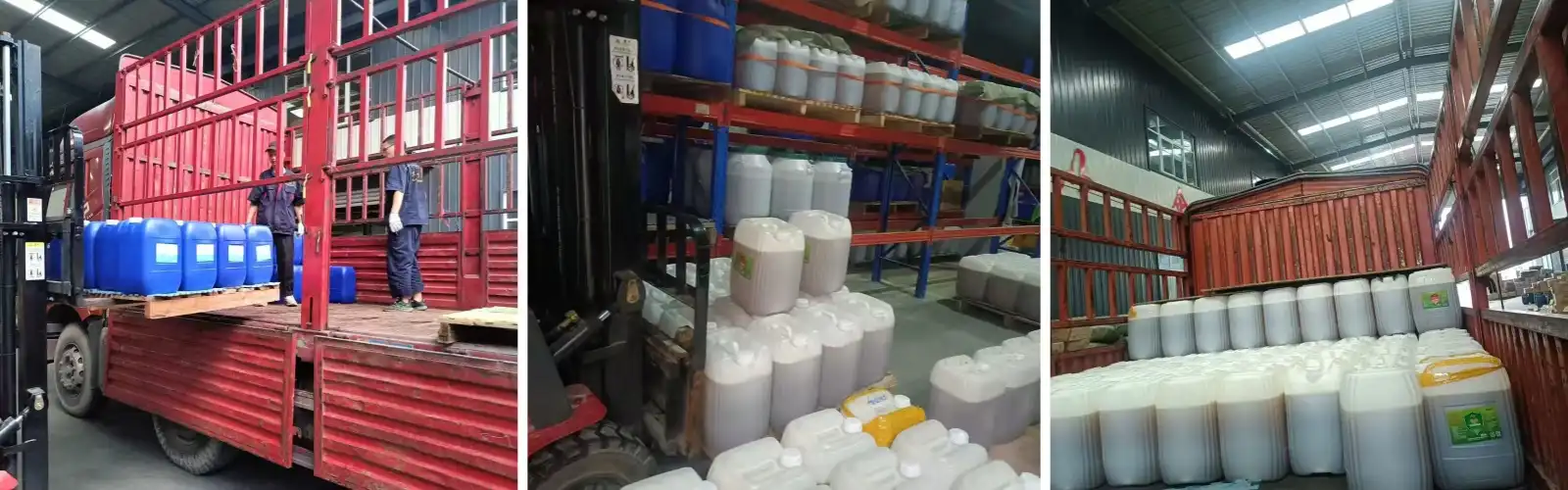
Homey Wonbond offers cleaning options for businesses that are backed by 18 years of biotechnology experience and strict quality control. Our quaternary ammonium sanitizer is approved by the European Union (REACH) and has a CE mark, which means it can be used in healthcare, food processing, and animal care. Our non-corrosive, non-toxic formula works on equipment, pipelines, tanks, and surfaces in the environment. It comes in convenient 25KG and 5KG barrels and can be diluted with 0.4 to 1% water. We keep a lot of stock on hand so that orders can be sent out right away, and we can also make unique recipes in 14 working days. Global logistics partnerships make sure that freight rates are competitive and below the averages for the market. Our team offers full technical support, from teaching on how to dilute the cleaner to on-site installation, to make sure it works at its best. Email our purchasing agents at frank@hmwbcleaning.com to talk about bulk prices, OEM/ODM customization choices, and integrating a full hygiene system. As a well-known company that makes quaternary ammonium sanitizer and sells it to healthcare facilities, slaughterhouses, food processing plants, and other places across the US, we can give your business the supply chain reliability and regulatory confidence it needs.
References
1. Smith, J.R. & Williams, K.L. (2021). "Quaternary Ammonium Compounds in Industrial Sanitation: Efficacy and Application Guidelines." Journal of Food Safety and Hygiene, Volume 47, Pages 112-128.
2. Rodriguez, M.A. (2020). "Comparative Analysis of Chemical Disinfection Systems for Meat Processing Facilities." International Food Processing Standards Review, Volume 33, Pages 45-67.
3. Chen, H. & Thompson, D.B. (2022). "Regulatory Compliance in Industrial Cleaning: EPA and FDA Requirements for Sanitizer Procurement." Industrial Hygiene Quarterly, Volume 19, Pages 201-219.
4. Anderson, P.K. et al. (2021). "Cost-Benefit Analysis of Concentrated Versus Ready-to-Use Sanitizers in Large-Scale Food Production." Journal of Operations Management in Food Industry, Volume 28, Pages 89-104.
5. Martinez, L.S. (2023). "Biosecurity Applications of Quaternary Ammonium Disinfectants in Livestock Operations." Veterinary Biosecurity and Public Health, Volume 15, Pages 134-152.
6. Wilson, R.T. & Foster, E.M. (2020). "Supply Chain Strategies for Industrial Hygiene Products: Procurement Best Practices for Quality Managers." B2B Procurement Excellence, Volume 12, Pages 76-93.
Learn about our latest products and discounts through SMS or email